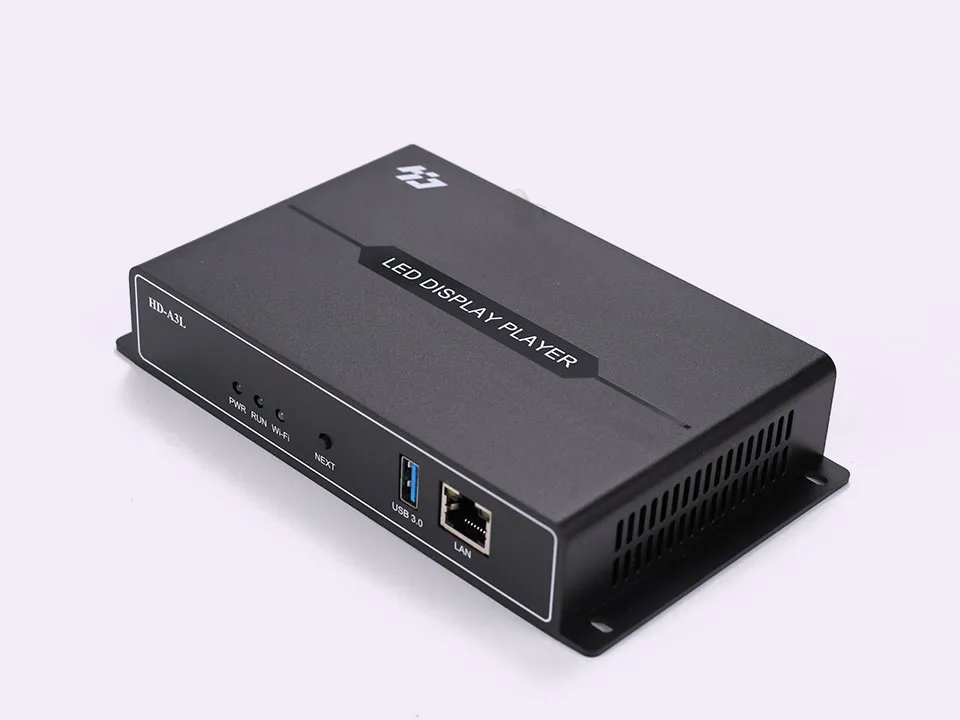
 Asynchronous LED Controller
Huidu HD A3L LED Controller
- Entry-level asynchronous controller (small/medium signs)
- Wi-Fi + USB + LAN control (model dependent)
- Built-in storage for offline playback
CONTENT, SIGNAL & SCREEN CONTROL
Bring Every Pixel Together.
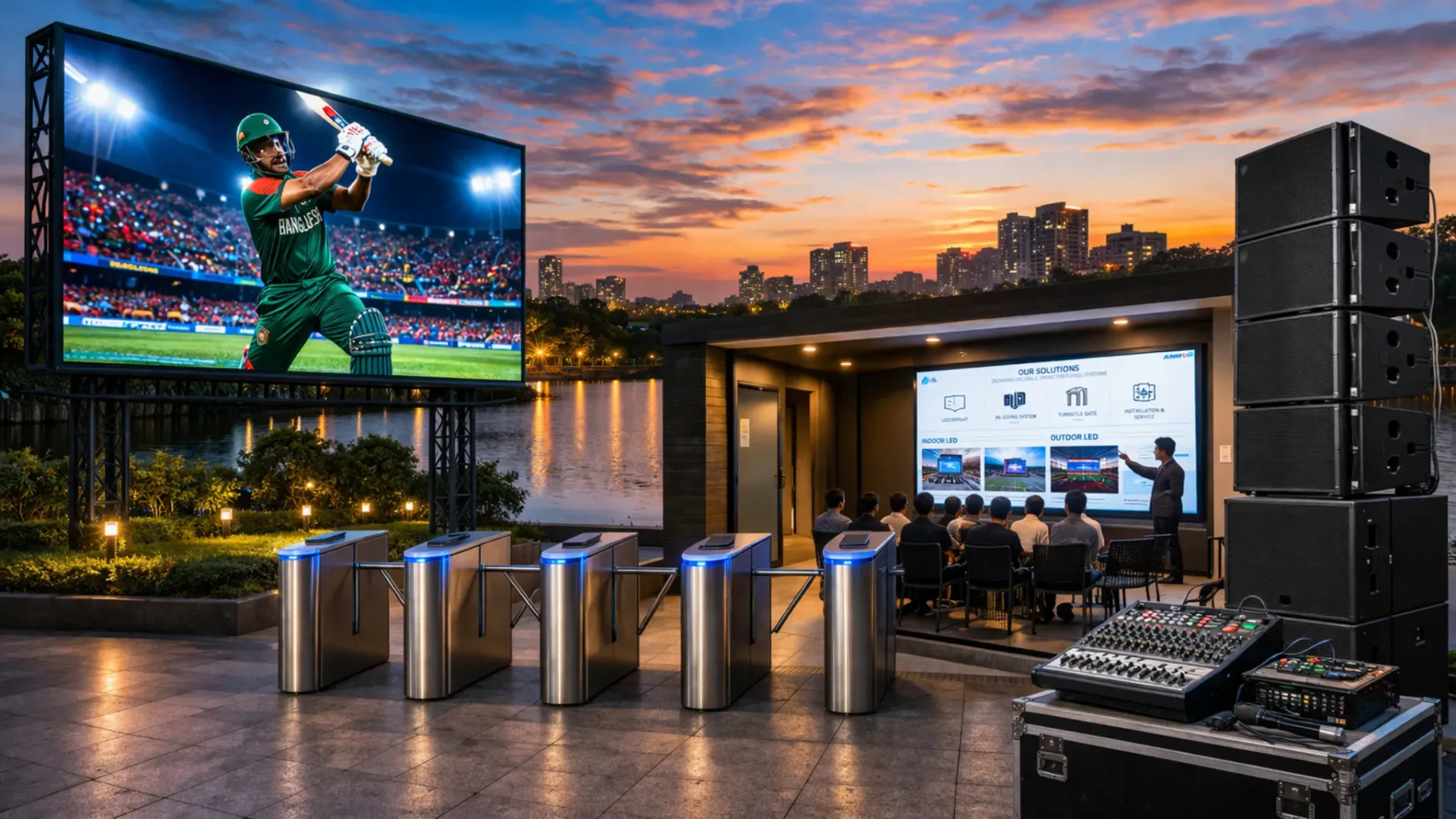
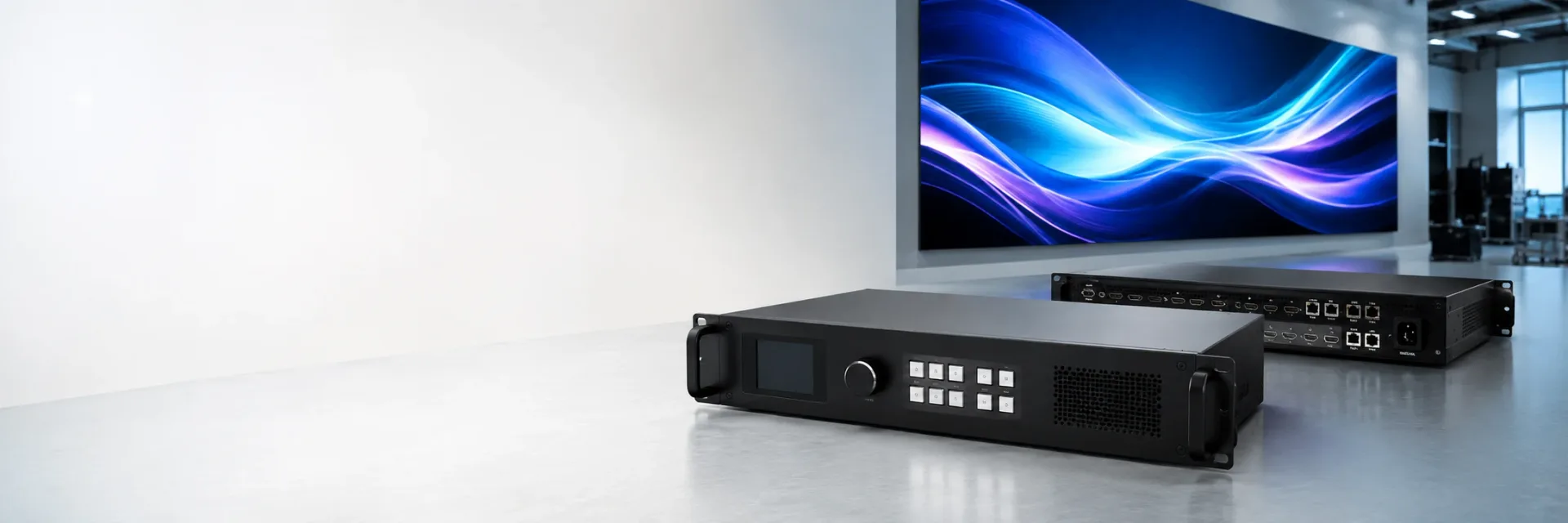
From scheduled signage to live presentations, choose the controller or processor around your content sources, total pixel load and receiving-card system.
9 CATALOG OPTIONS
Explore asynchronous controllers and video processors. Input, scaling and loading capabilities vary by model.
Asynchronous LED Controller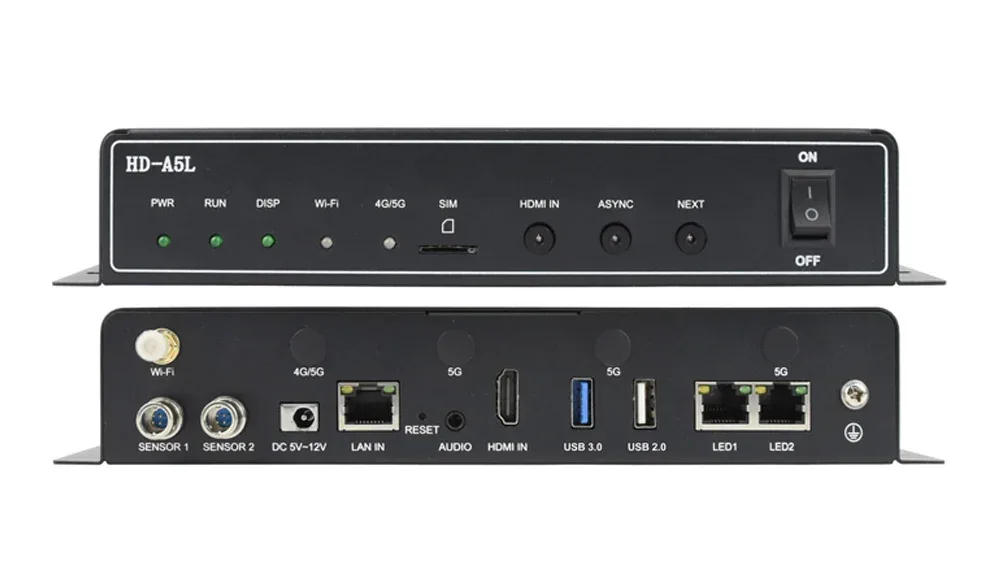 Asynchronous Full-Color Controller
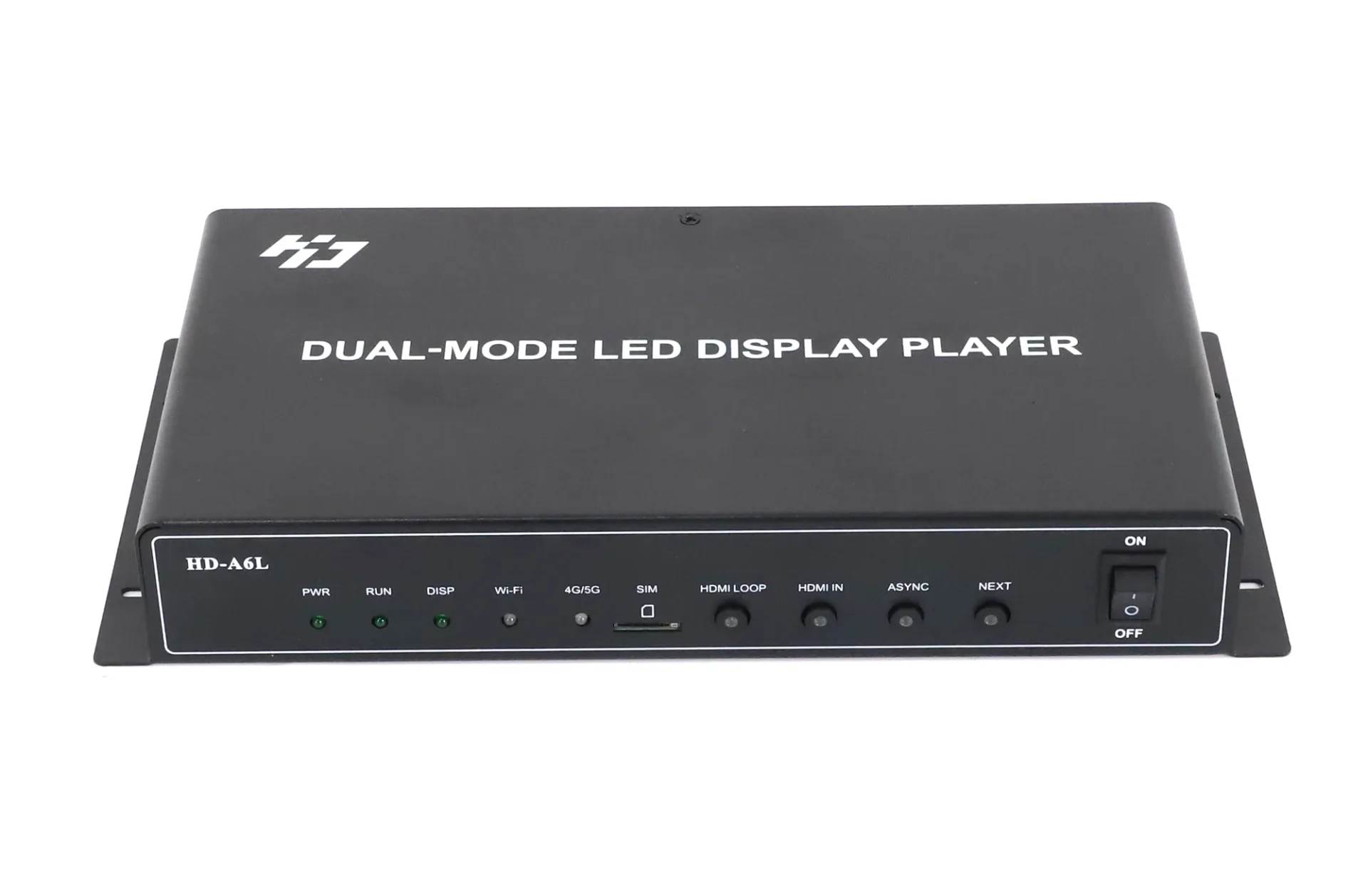 High Capacity Asynchronous Controller
 LED Video Processor (Scaler/Switcher)
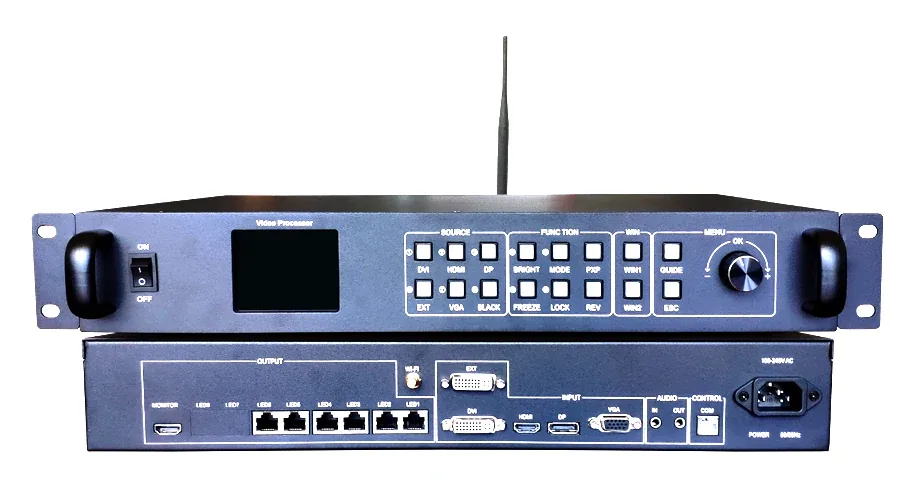 Video Processor (Multi-input)
 High-End Video Processor3-in-1 Sender + Scaler + SwitcherRepresentative imageLarge Screen Video ProcessorRepresentative imageHigh Load Video ProcessorRepresentative image
Catalog prices are indicative, not live offers. Confirm availability, exact specifications, quantity, VAT/tax, delivery and support in your written quotation.
CHECK BEFORE YOU CHOOSE
Start with how the display will be used, then match the processor, output ports and receiving system.
Important: Controller, sender, media player and video processor are not interchangeable terms. Check the exact functions and supported receiving system in the selected model’s documentation.
PLANNED AROUND YOUR PROJECT
Match the parts, installation conditions and support scope to your actual LED system.
Plan stored content, scheduling and supported network-management options for advertising displays.
Match live sources, scaling and switching requirements to the event production workflow.
Map screen resolution, cabinet outputs and everyday operation before selecting a processor.
MAKE YOUR QUOTATION MORE ACCURATE
Share the details below so the proposed item and project scope can be checked against your equipment.
YOUR QUESTIONS, ANSWERED
Practical answers about selection, compatibility and project support.
A controller handles the display-data or playback workflow, while a video processor typically handles source inputs, scaling and switching. Some devices combine functions. Check what the exact model includes rather than choosing by the product name alone.
Share the full screen resolution in pixels, cabinet arrangement and receiving-card model. Selection also depends on per-port limits, input formats and the required operating mode—not physical screen dimensions alone.
Live events often require scaling and switching between sources, so a suitable processor may be needed. The final setup depends on the event sources, screen resolution and features already available in the chosen control equipment.
Some asynchronous controllers or media players support network-based content management and scheduling. Confirm the exact hardware, software, connectivity and any account or service requirements for your chosen model.
Do not assume cross-brand compatibility. Sender, receiving-card and configuration software support must be verified for the exact equipment. Use a documented compatible combination for the proposed screen.
Ask for the exact model, required accessories, configuration and commissioning scope. Catalog prices are indicative; final pricing depends on the selected equipment, quantity, availability and project requirements.
LET’S MATCH YOUR REQUIREMENTS
Share your equipment details for a clear, project-specific recommendation.