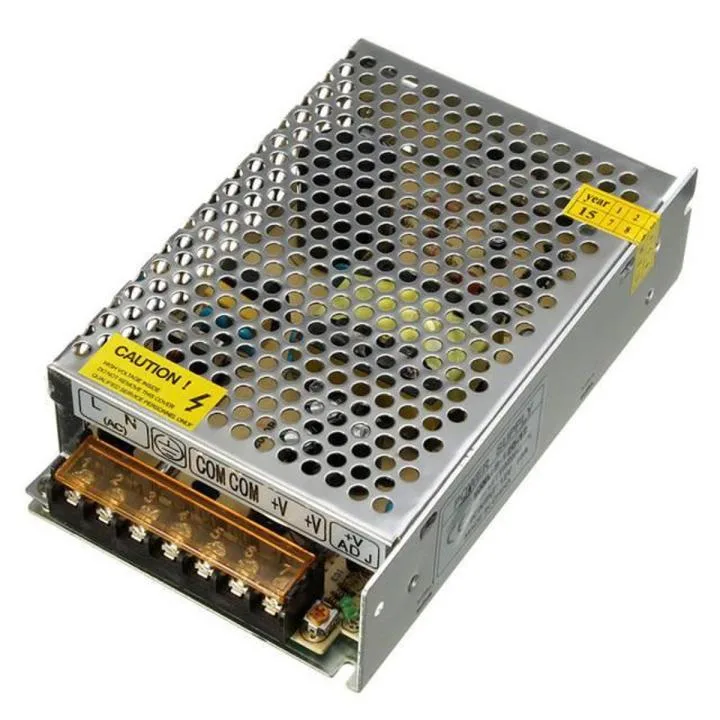
 5V | 20A
5V 20A DC Switch Mode Power Supply (SMPS)
- Stable regulated 5V DC output for LED cabinets
- Short circuit protection
- Overload protection
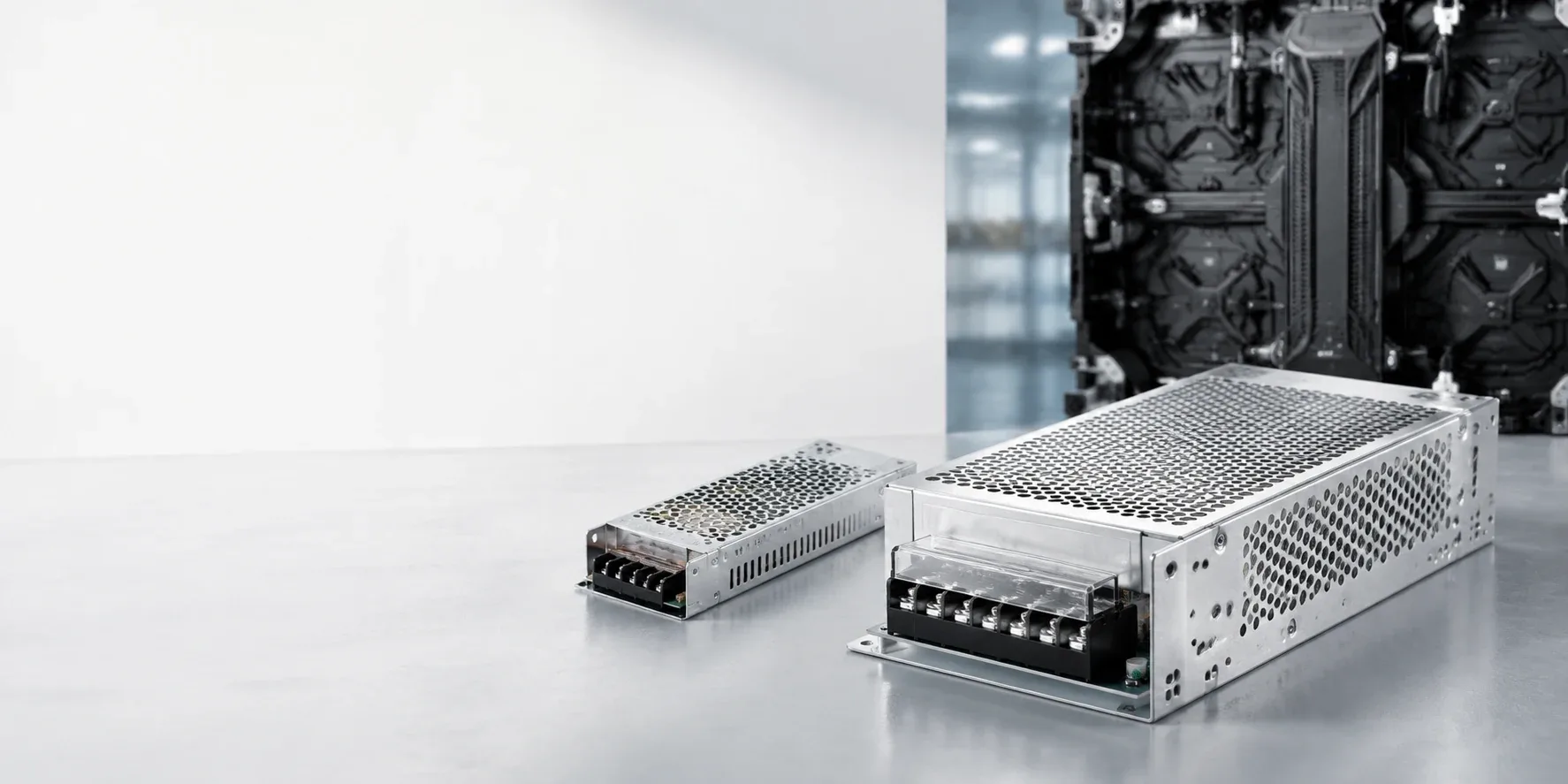
CABINET POWER & RELIABILITY
Plan Power with Confidence.
Compare LED cabinet power supplies with the voltage, current capacity and installation conditions your screen needs. Get help defining the right replacement or project scope.
3 CATALOG OPTIONS
Compare the available 5V models. Confirm the required voltage, actual load and installation conditions before ordering.
5V | 20A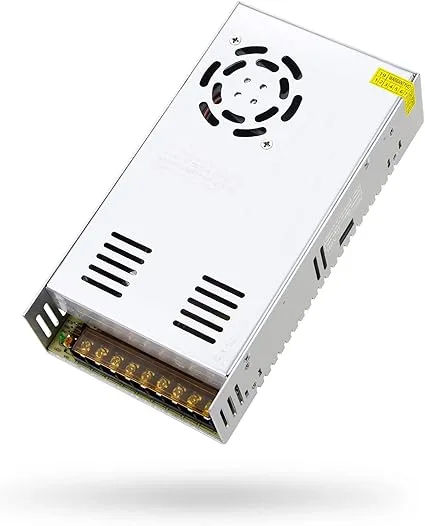 5V | 30A
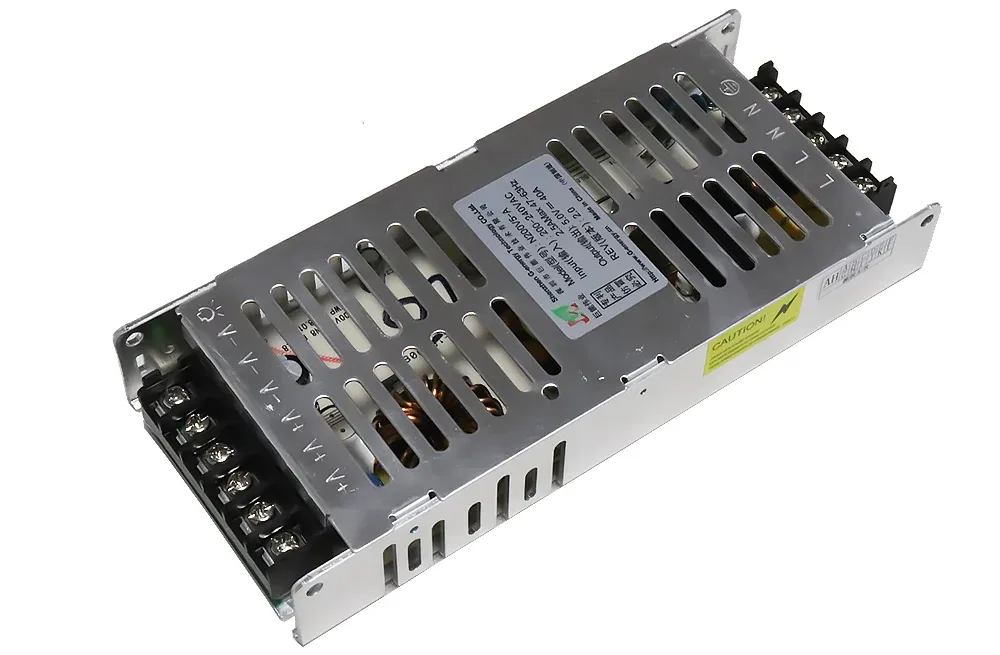 5V | 40A | 200W
Catalog prices are indicative, not live offers. Confirm availability, exact specifications, quantity, VAT/tax, delivery and support in your written quotation.
CHECK BEFORE YOU CHOOSE
A higher current rating alone does not make a power supply the right fit for every cabinet.
Important: Mains wiring, earthing, protection and PSU installation must be handled by a qualified technician. Isolate power before inspection or servicing; do not work on exposed live terminals.
PLANNED AROUND YOUR PROJECT
Match the parts, installation conditions and support scope to your actual LED system.
Match module load and cabinet ventilation for everyday display operation.
Review the protective enclosure and site conditions; an outdoor screen does not make every PSU weatherproof.
Check the old PSU label and failure symptoms before selecting a compatible replacement.
MAKE YOUR QUOTATION MORE ACCURATE
Share the details below so the proposed item and project scope can be checked against your equipment.
YOUR QUESTIONS, ANSWERED
Practical answers about selection, compatibility and project support.
Confirm the required output voltage, documented load, operating temperature, enclosure and mounting requirements. A technician should check the manufacturer’s ratings and derating guidance alongside the cabinet’s power distribution design.
No. The models listed here are 5V options, but the correct voltage comes from the specific module or equipment specification. Do not choose a replacement on current rating or physical appearance alone.
The quantity depends on module power demand, cabinet arrangement, PSU ratings, operating conditions and distribution design. Supply the equipment specifications for a project-specific recommendation rather than assuming a fixed PSU count per cabinet.
Power problems can contribute, but cabling, configuration, receiving cards and modules can also produce similar symptoms. Have a technician diagnose the system before replacing components.
Do not assume so. Outdoor LED installations need an appropriate protective enclosure, ventilation and electrical design. Confirm the exact PSU’s environmental rating and installation requirements before use.
Share the existing PSU label, cabinet details, quantity and site conditions. Sasha Corporation can help define a suitable supply and support scope. Electrical installation and testing should be completed by qualified personnel.
LET’S MATCH YOUR REQUIREMENTS
Share your equipment details for a clear, project-specific recommendation.