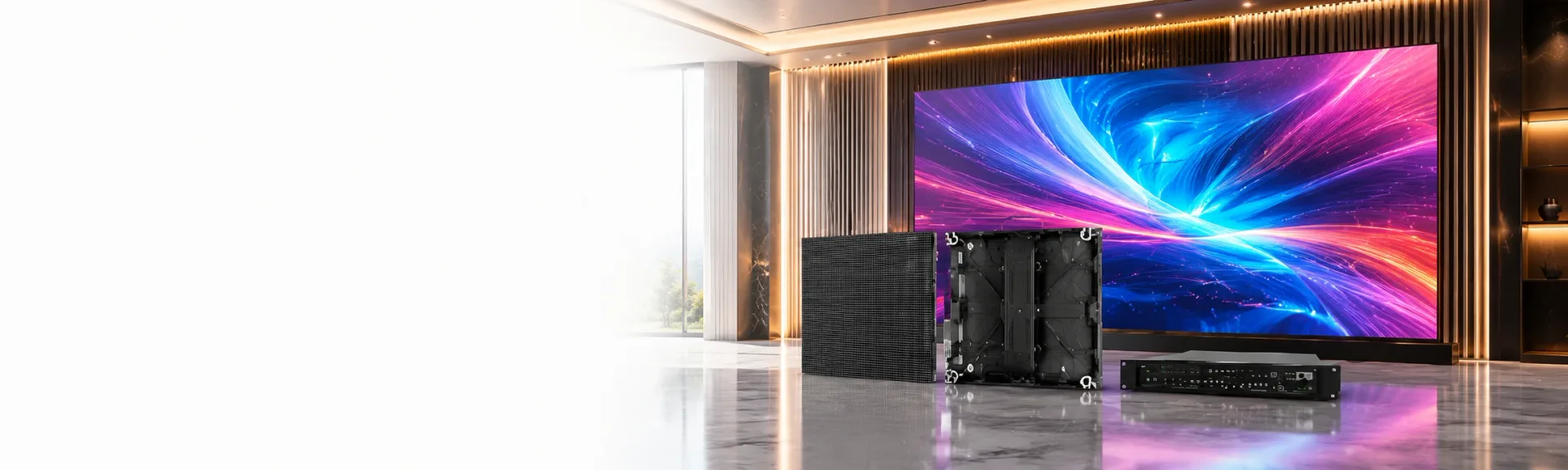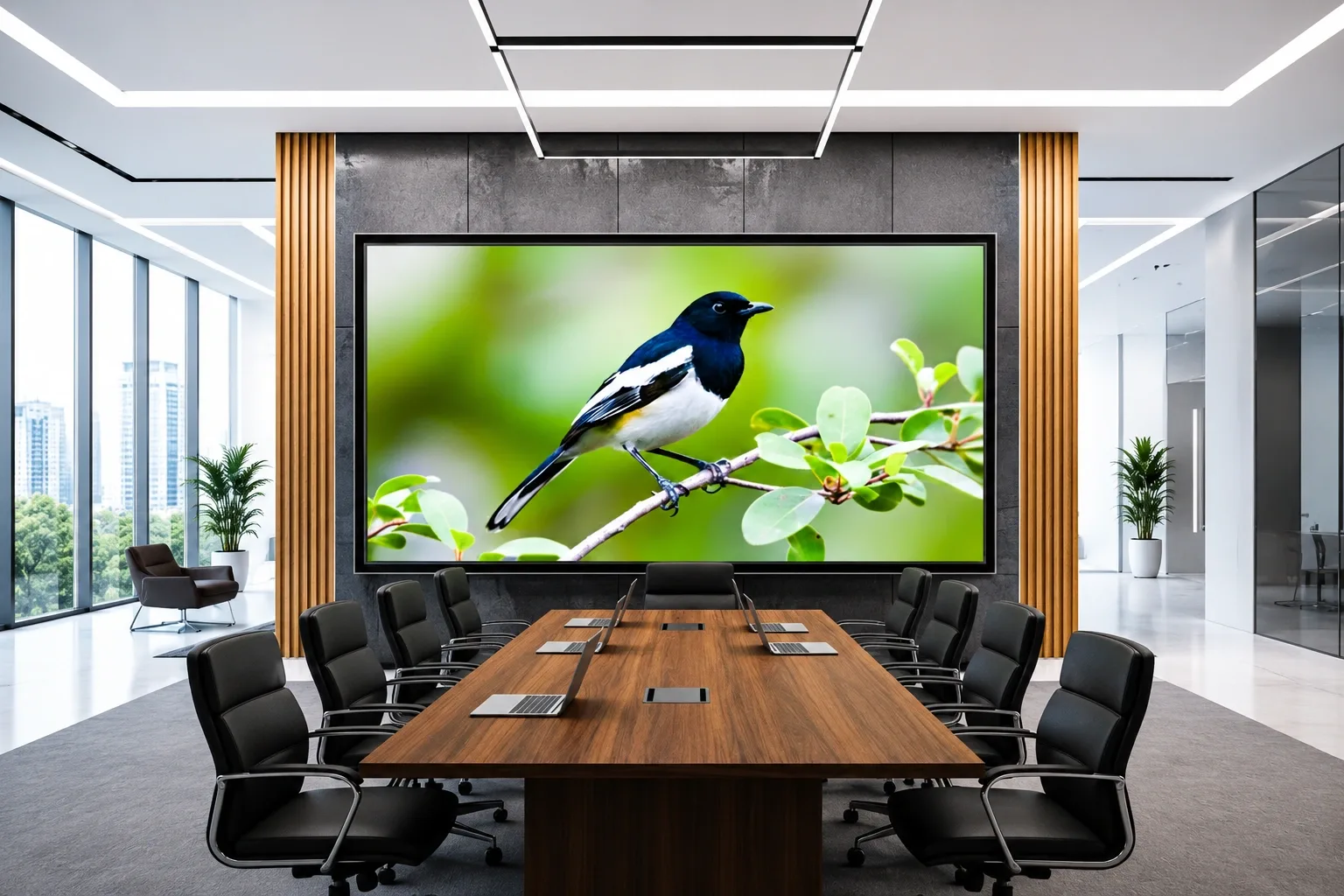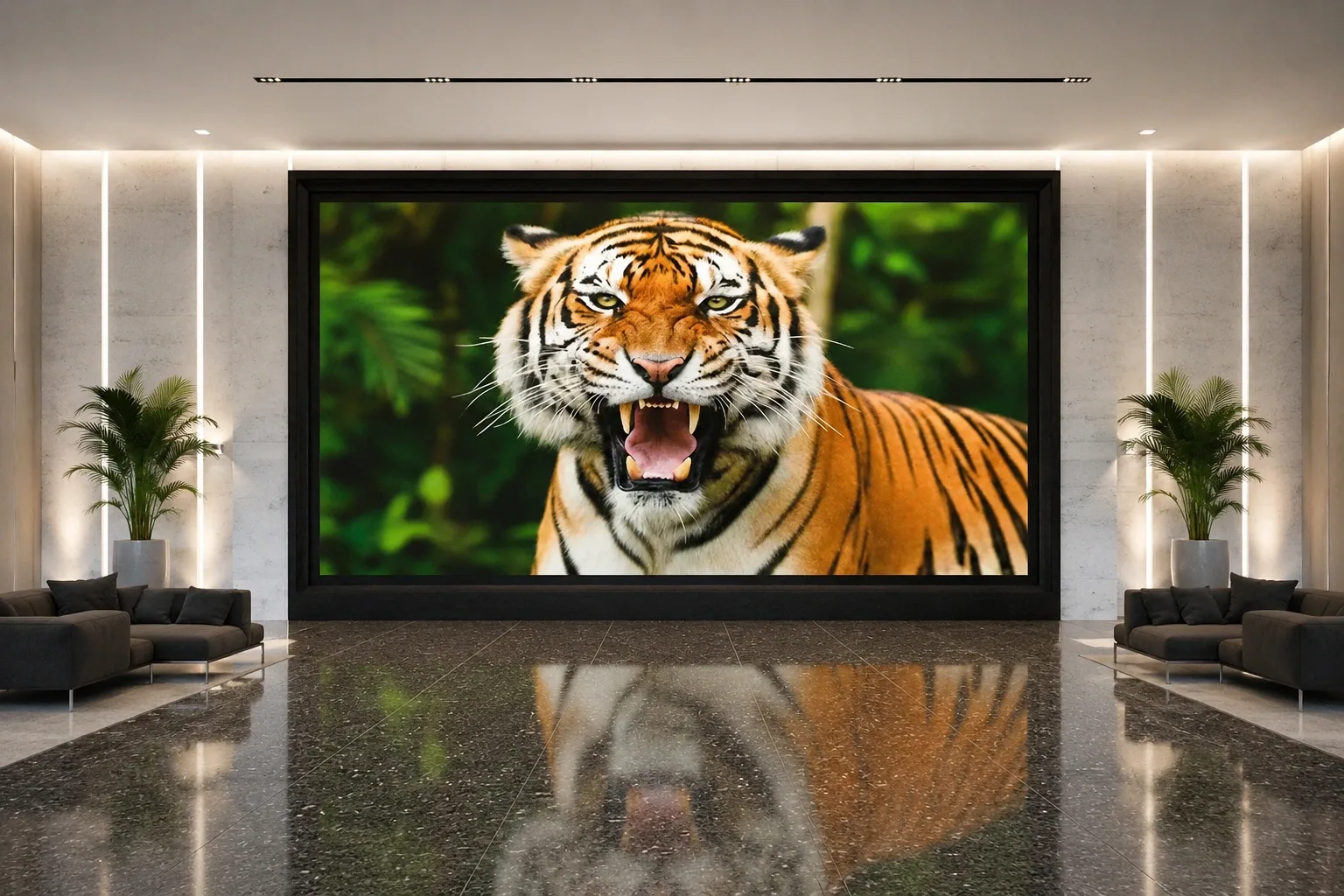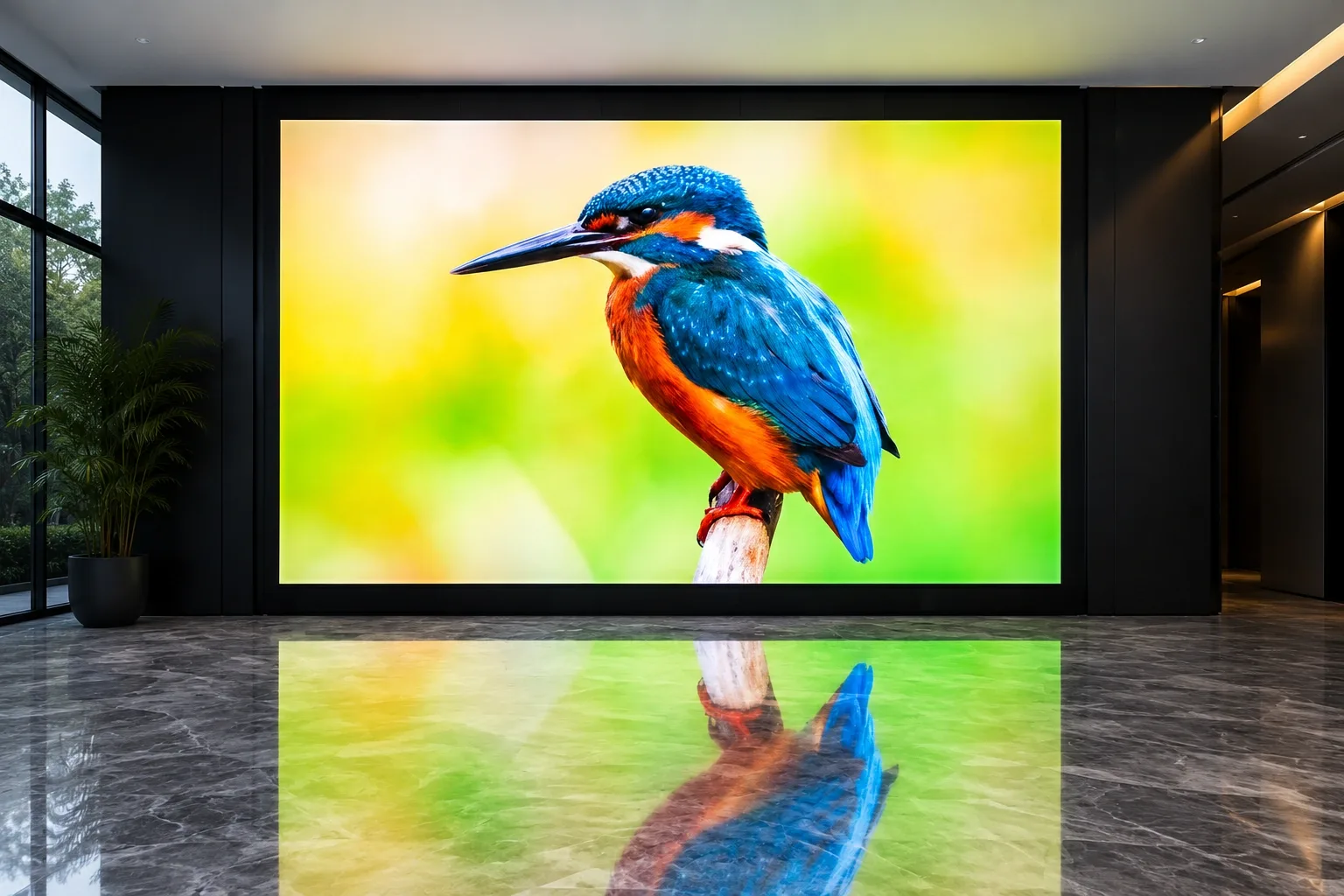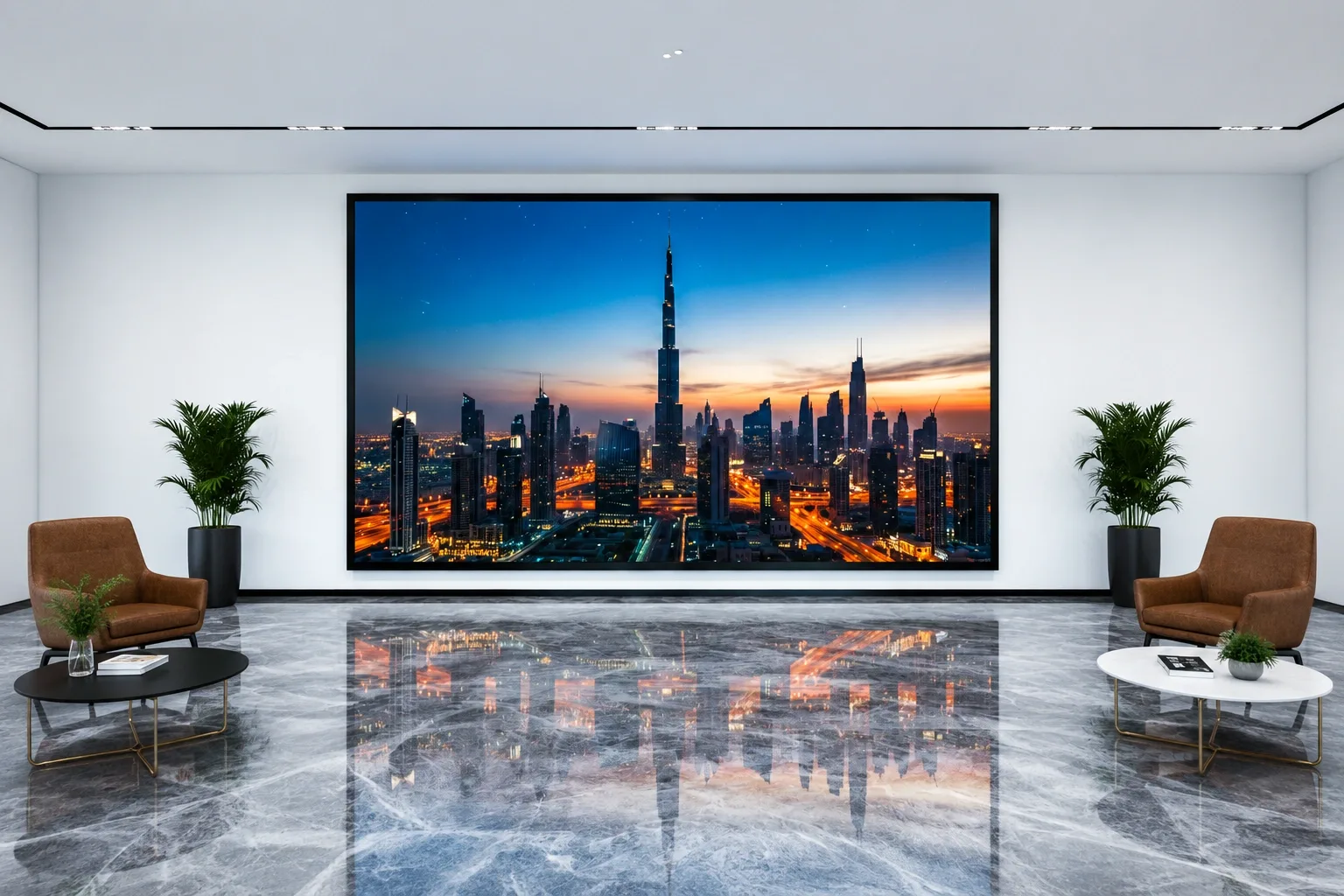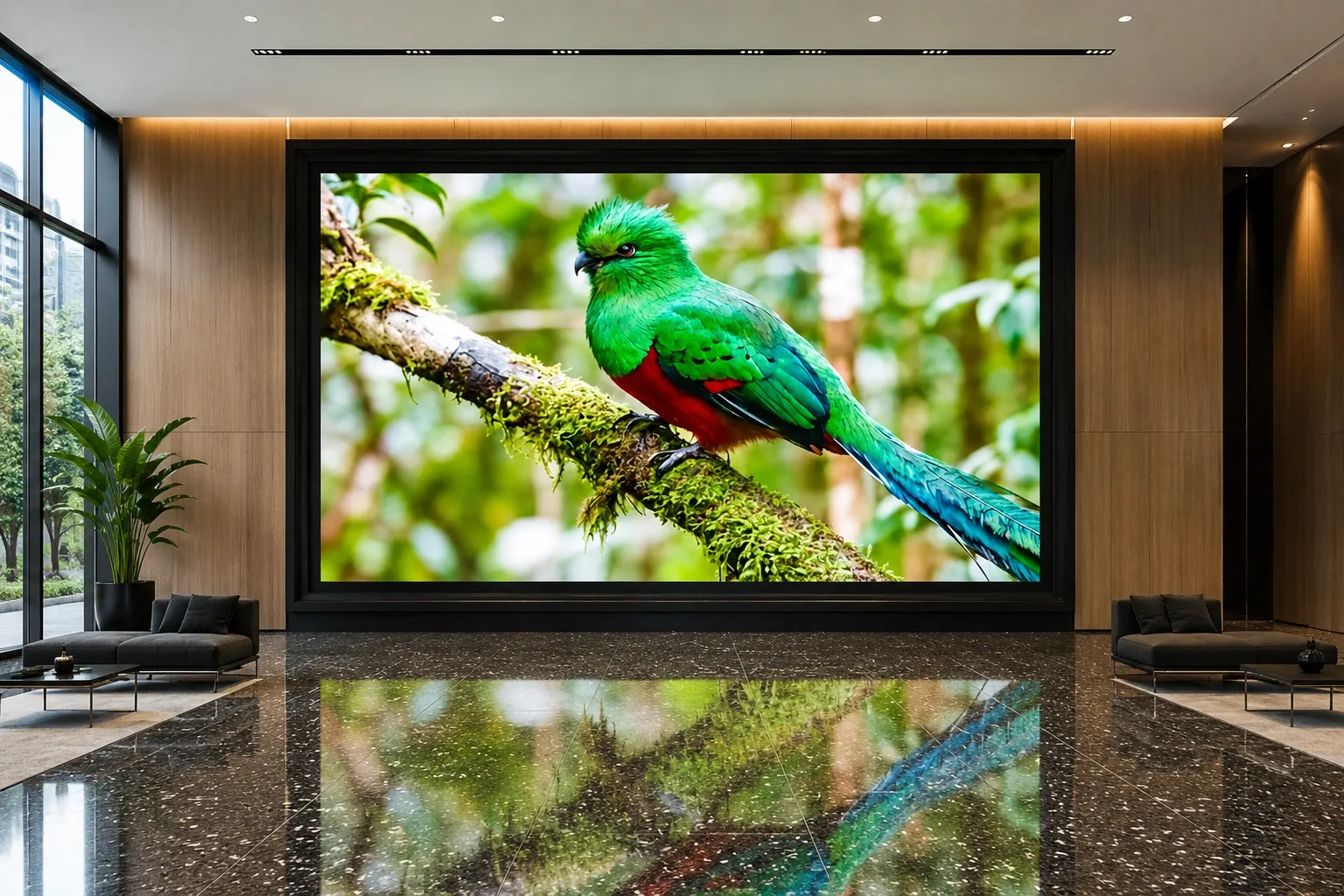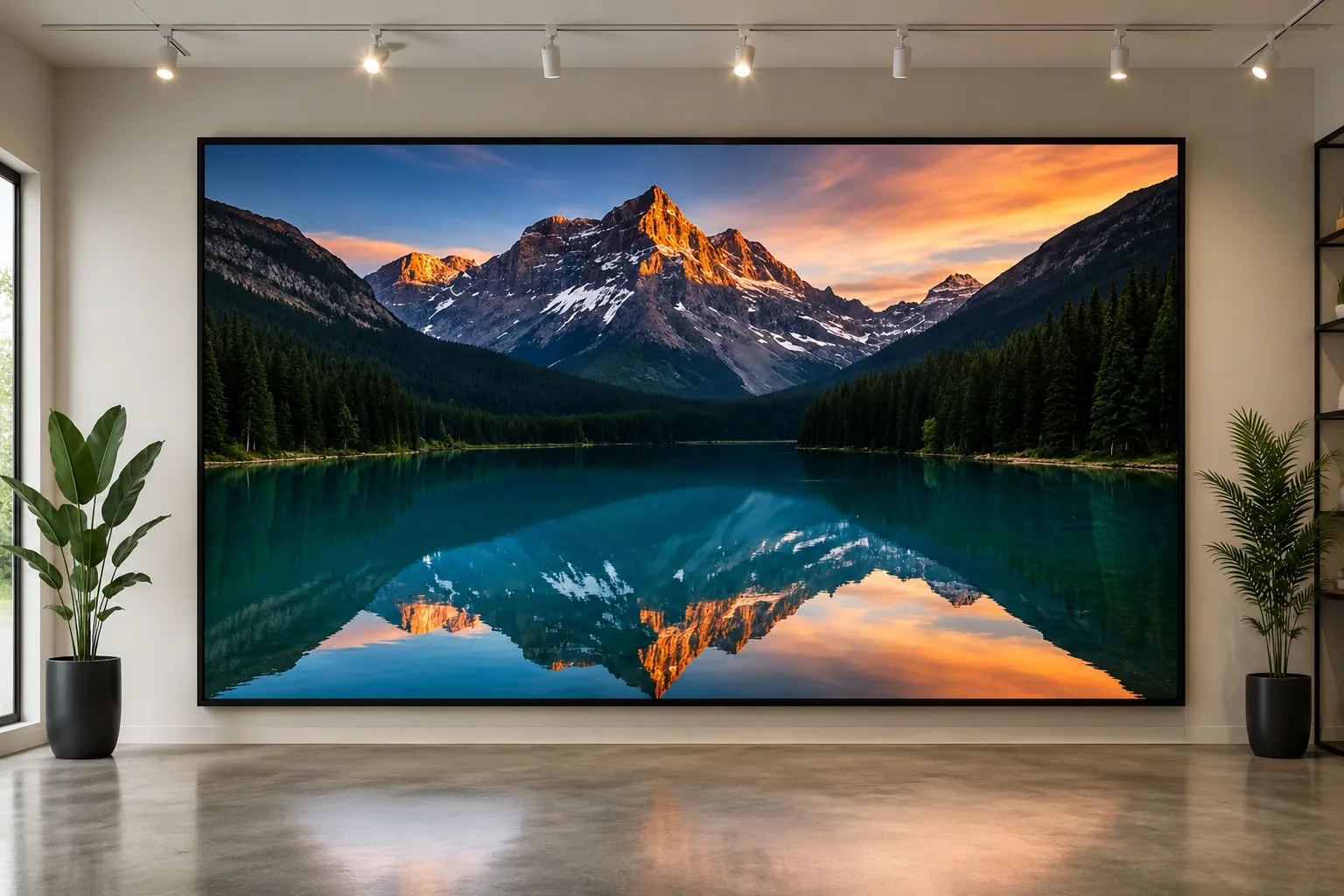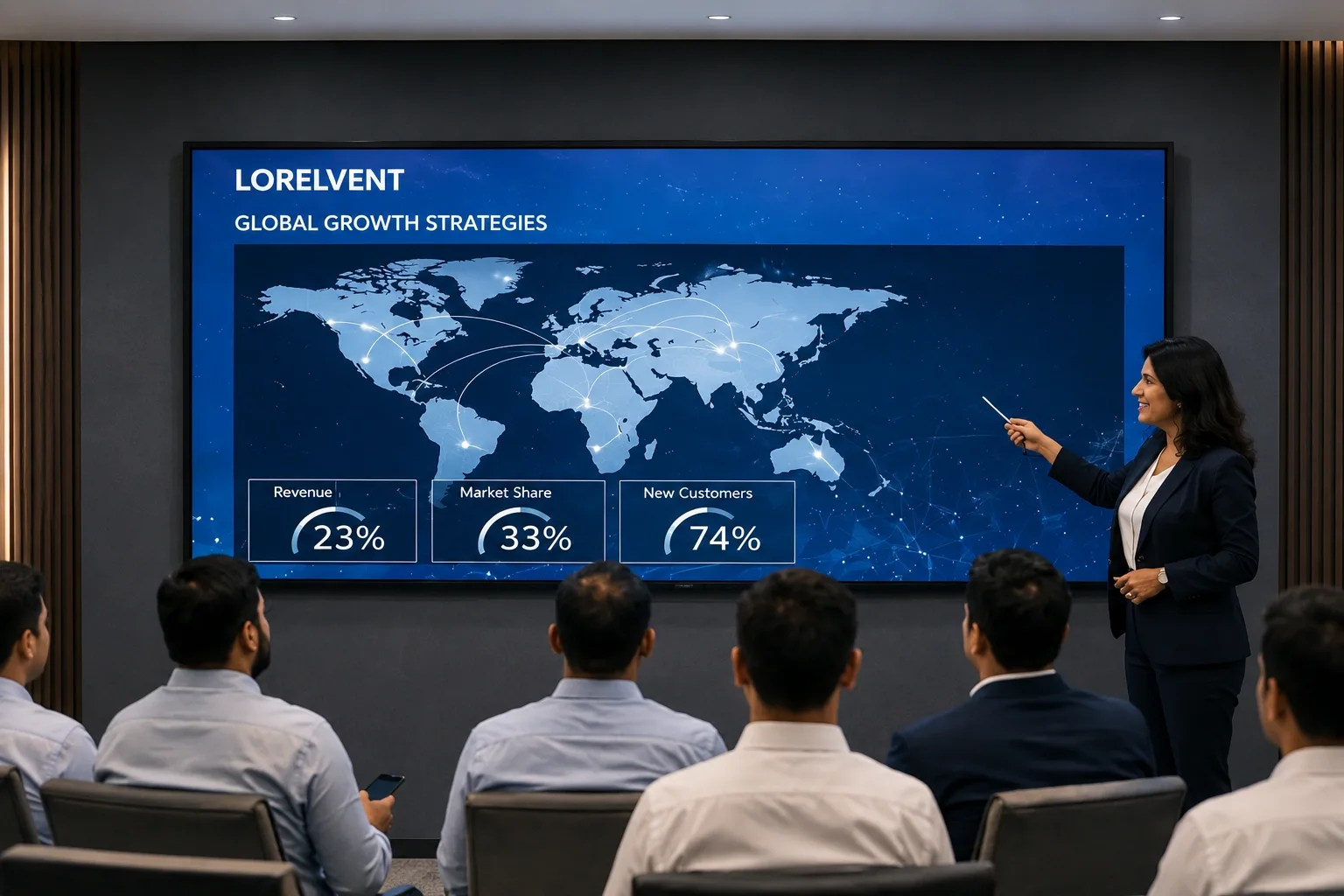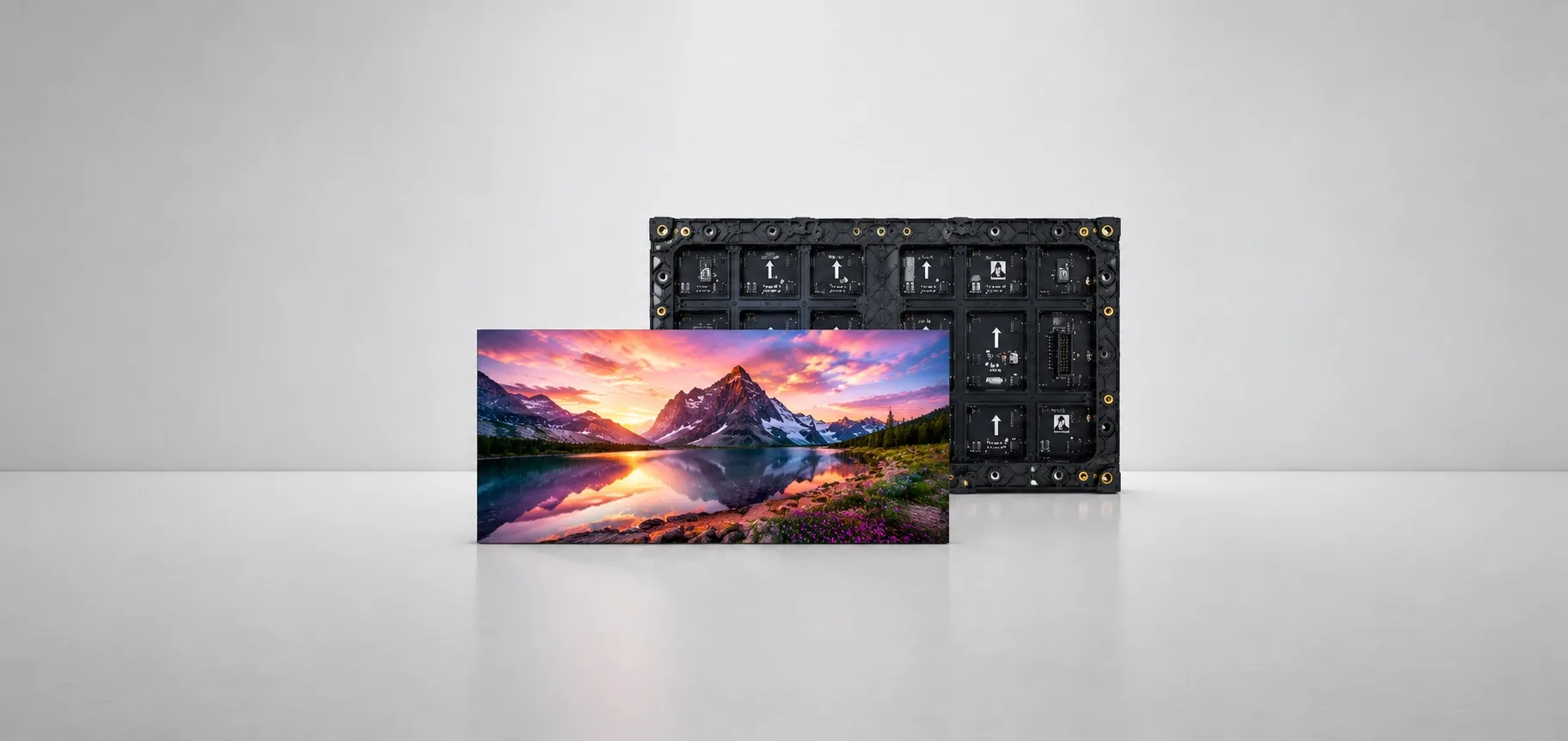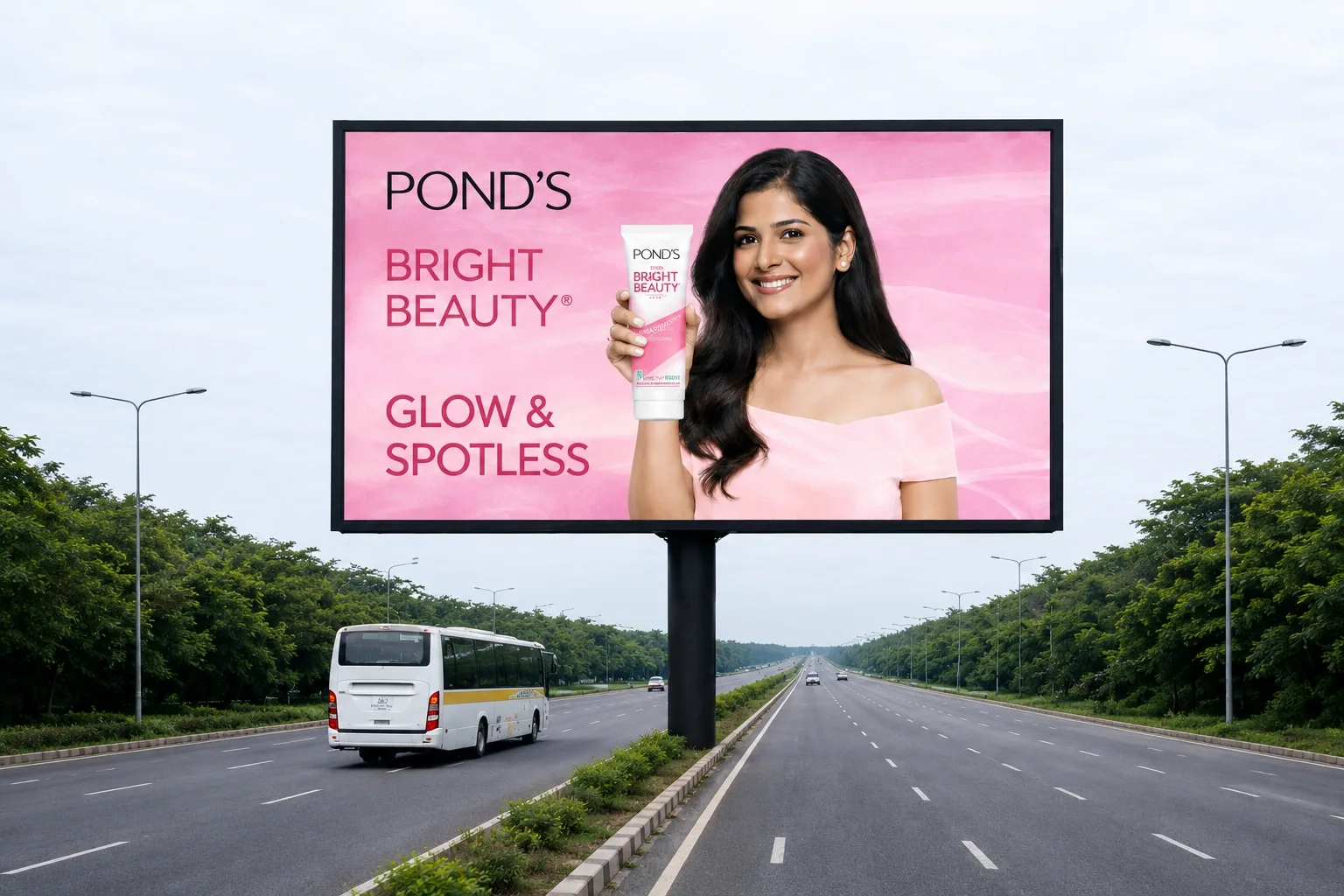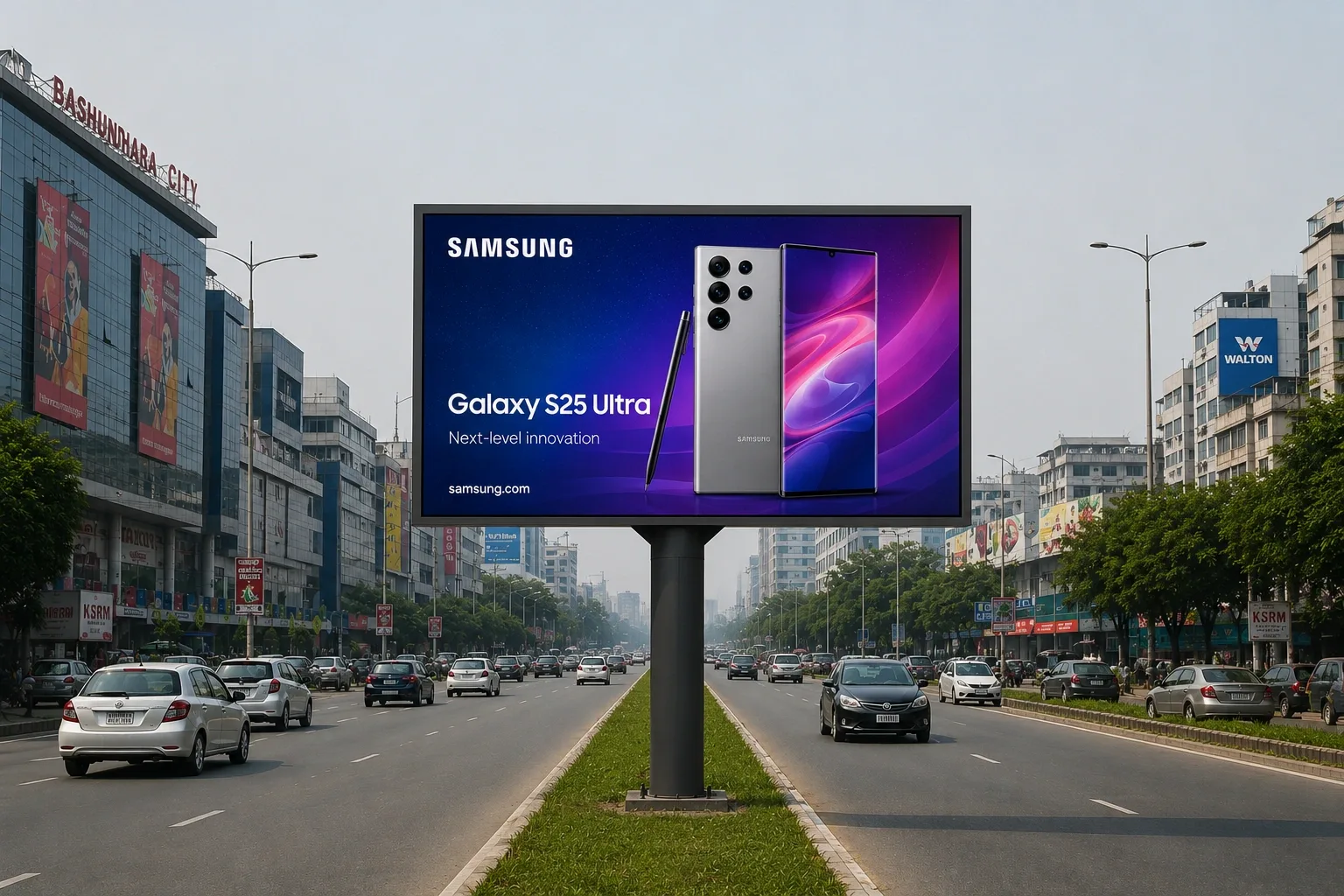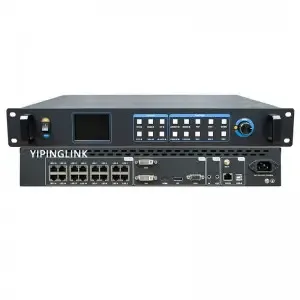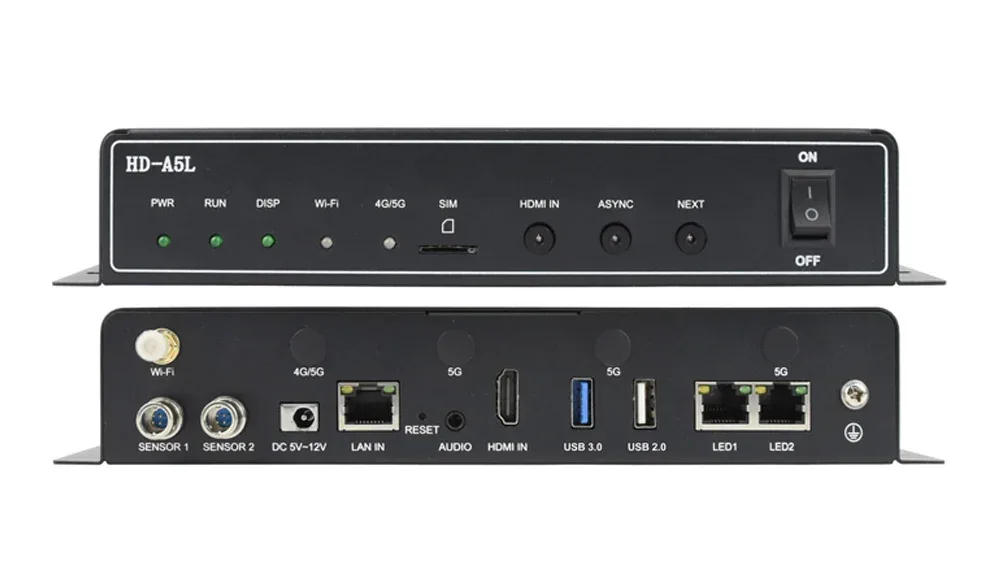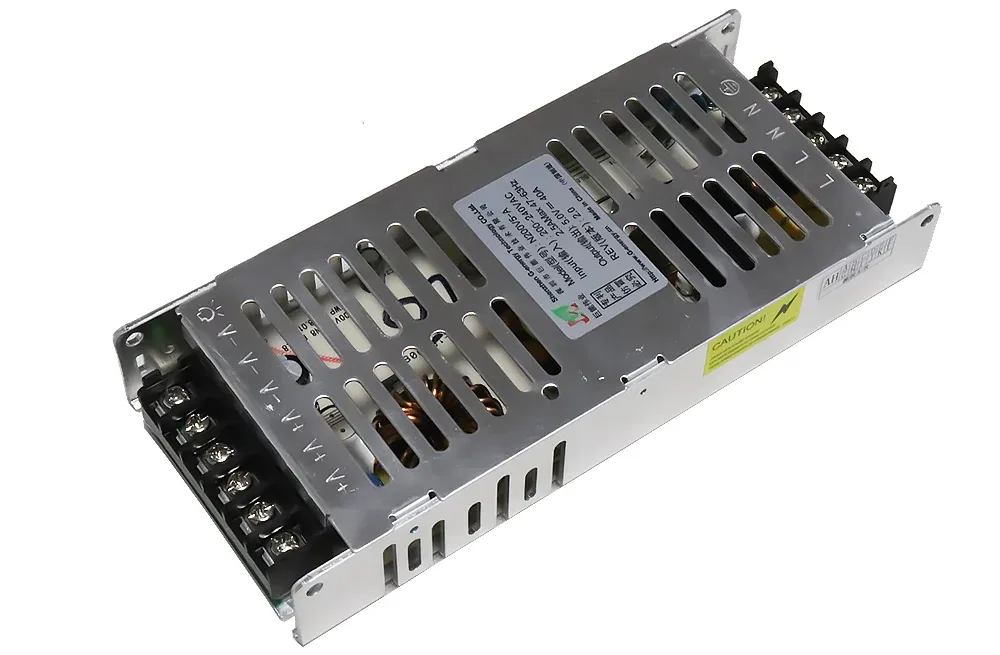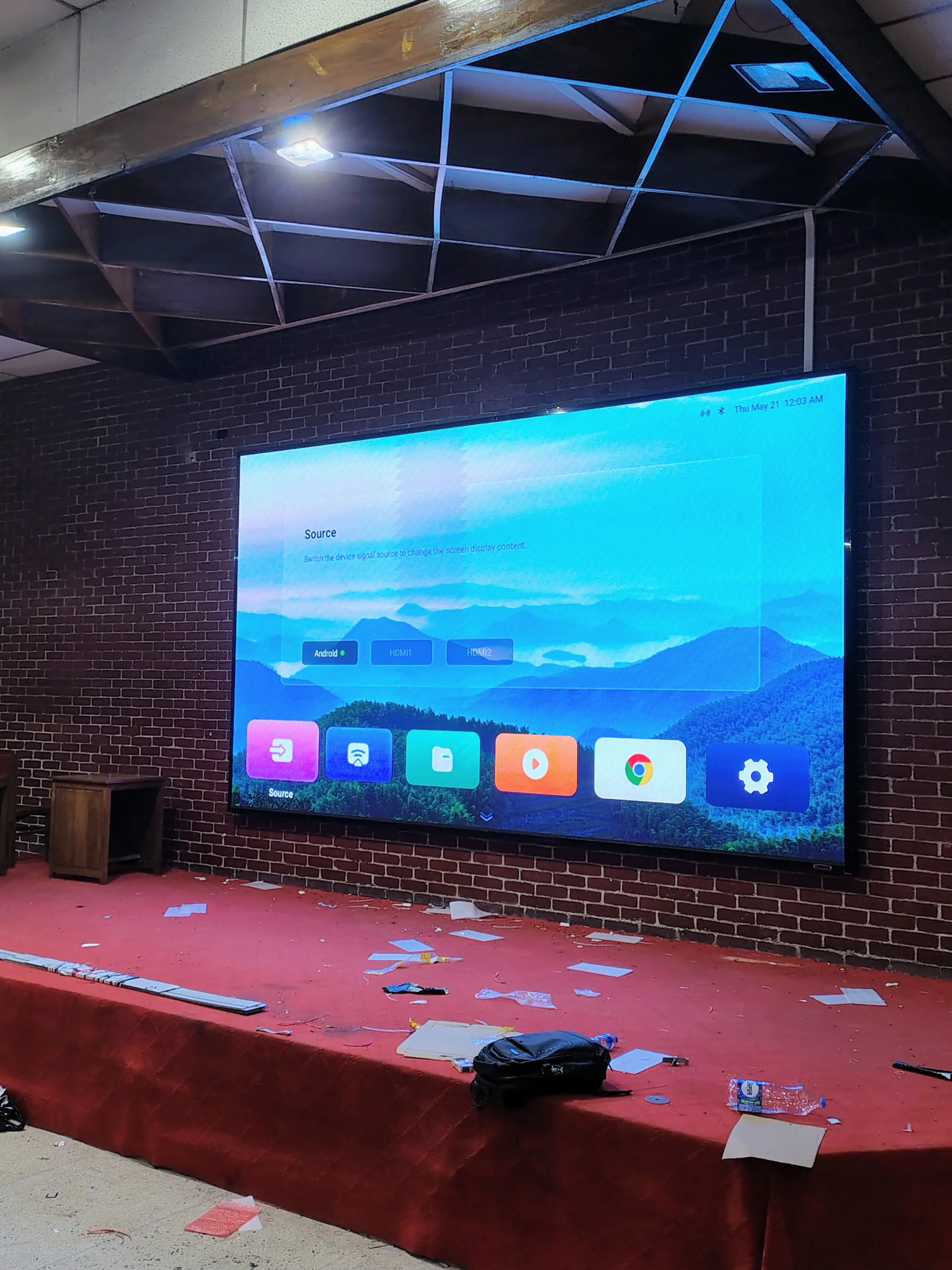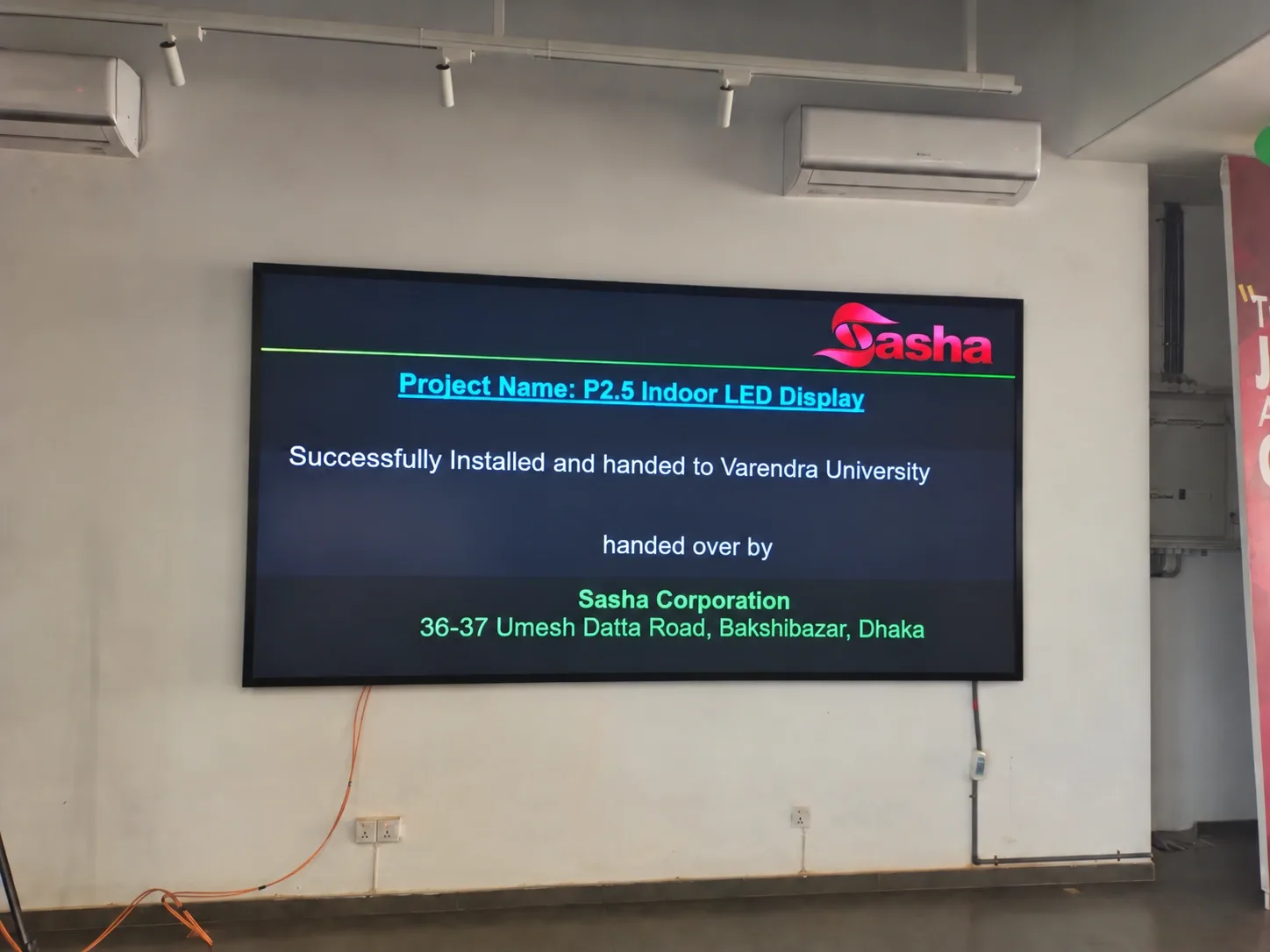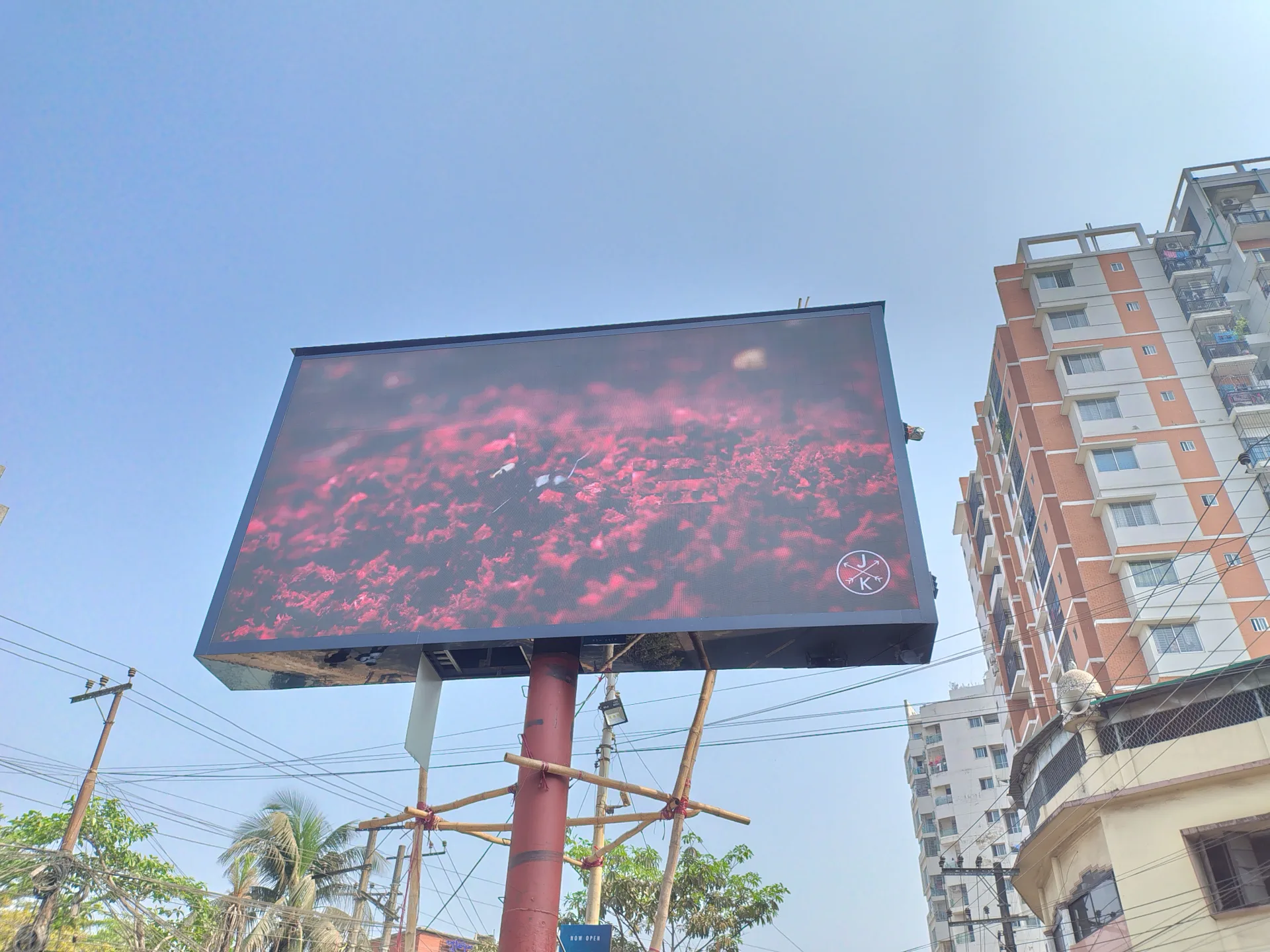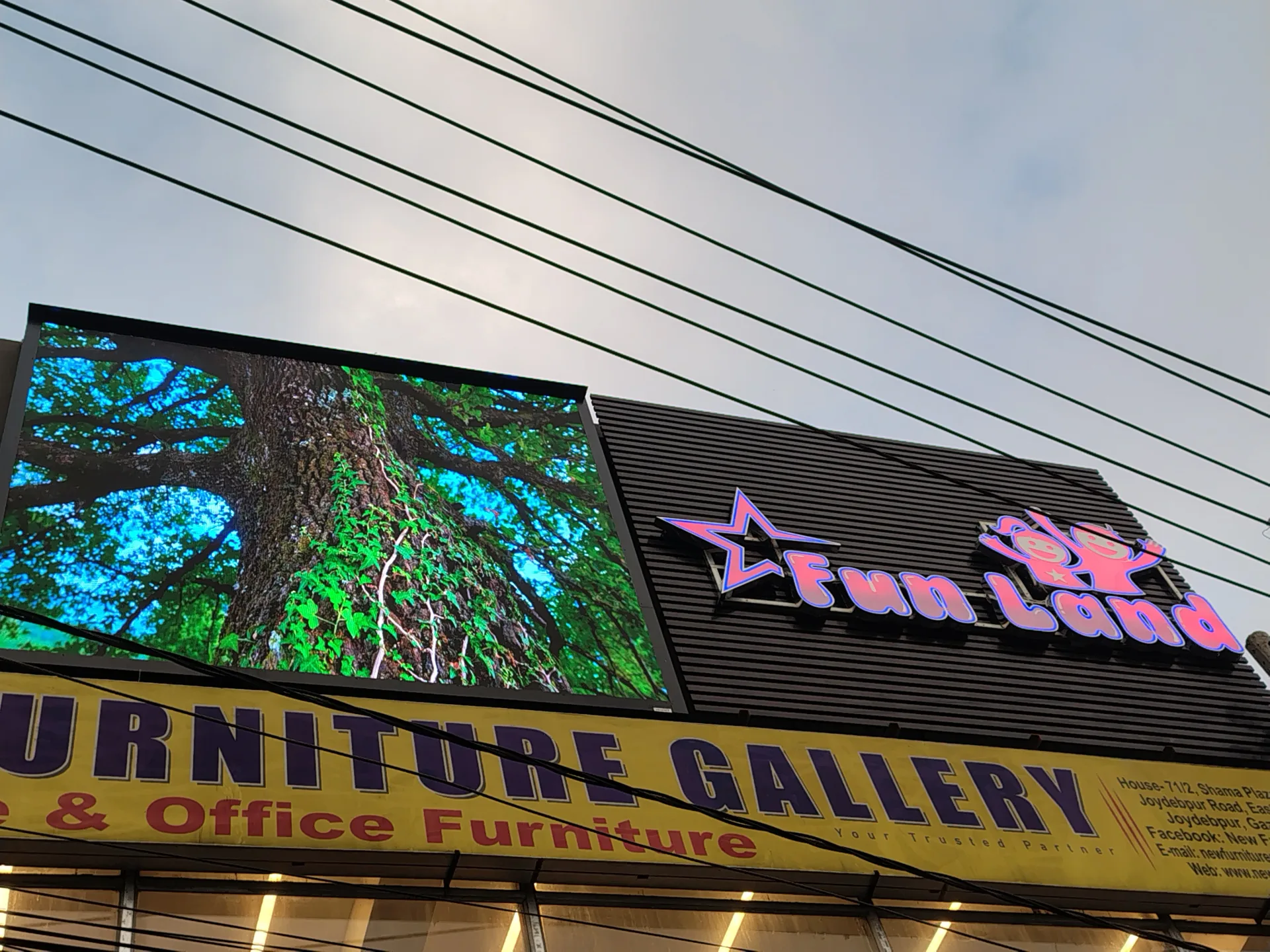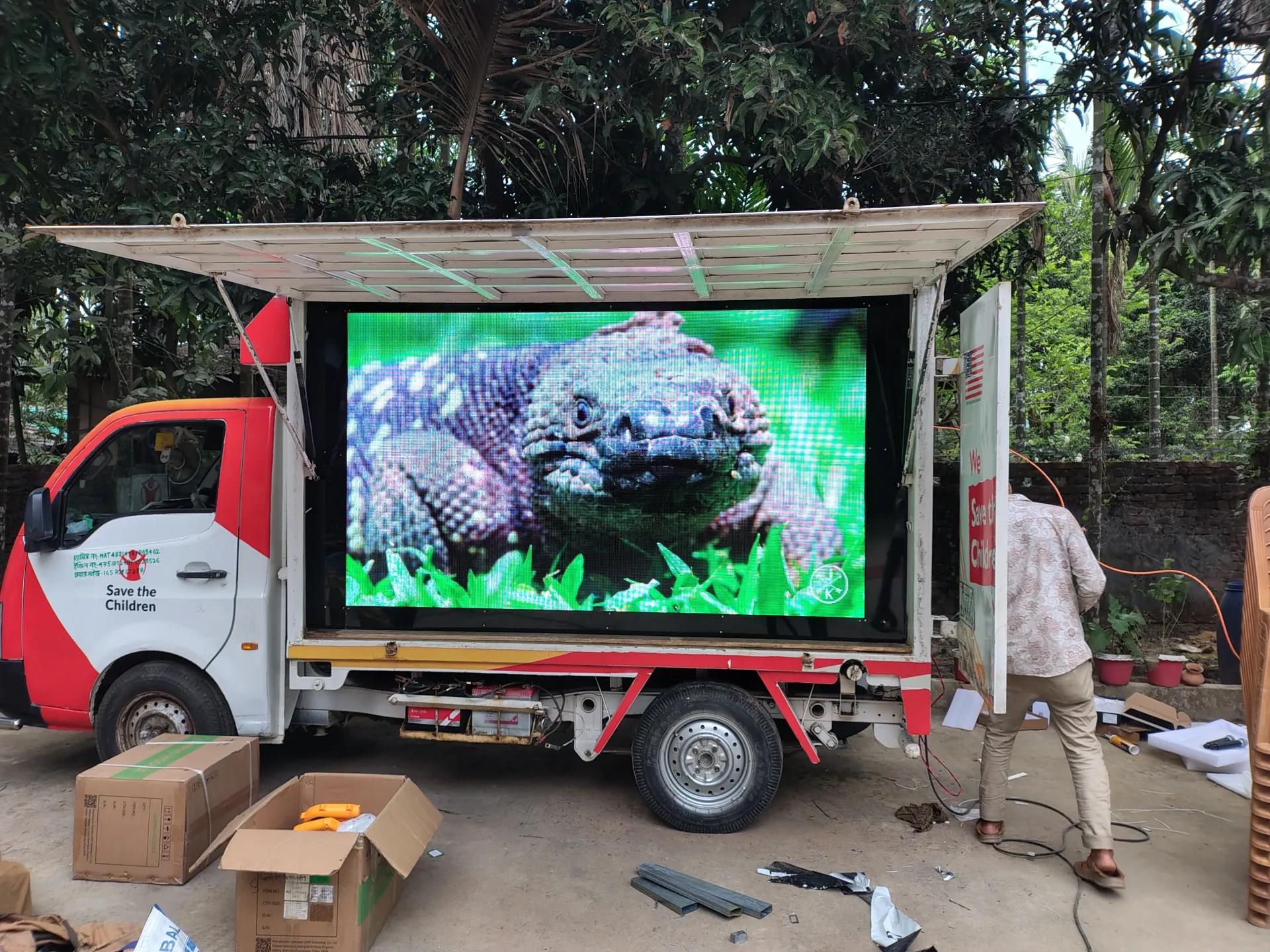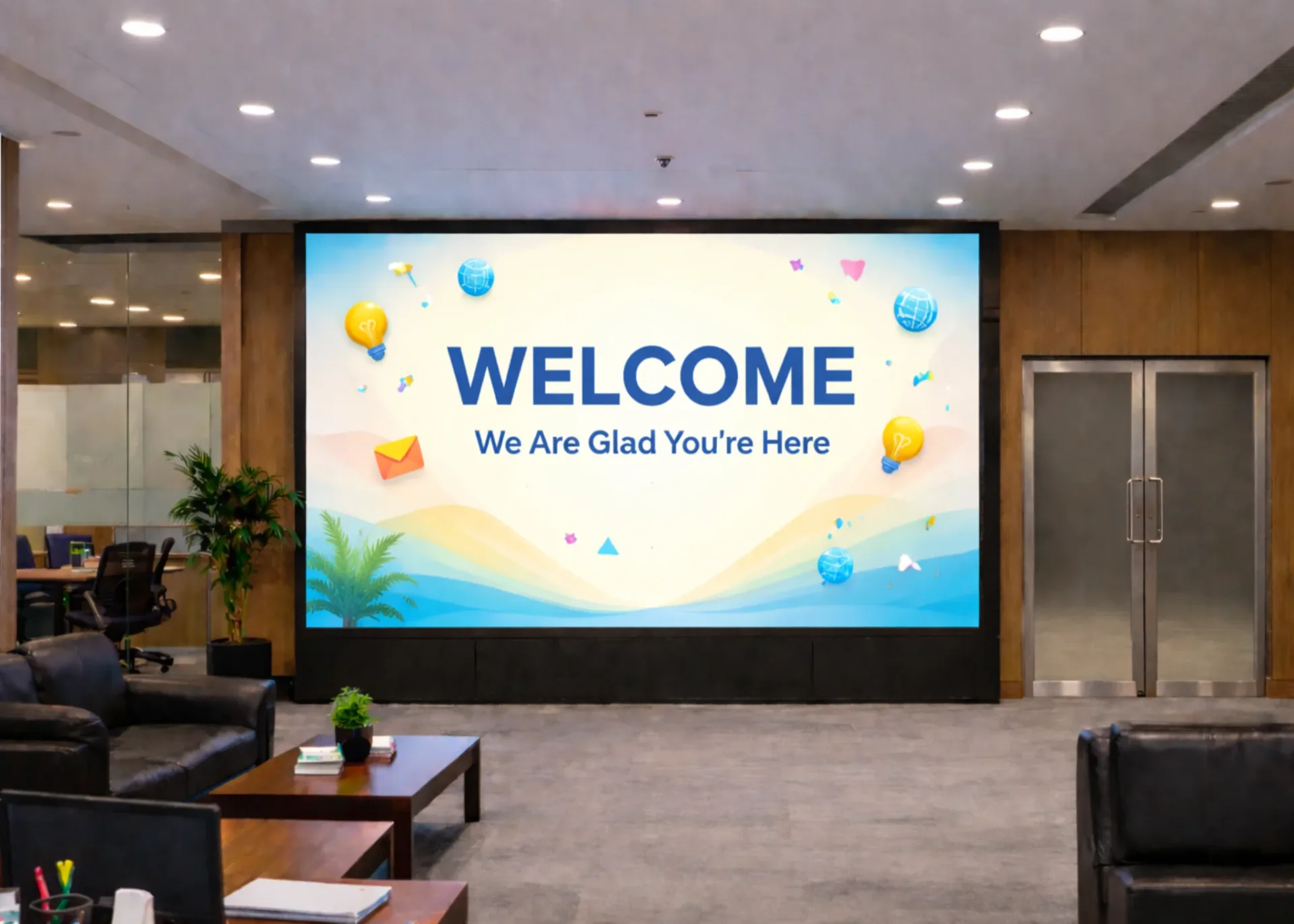
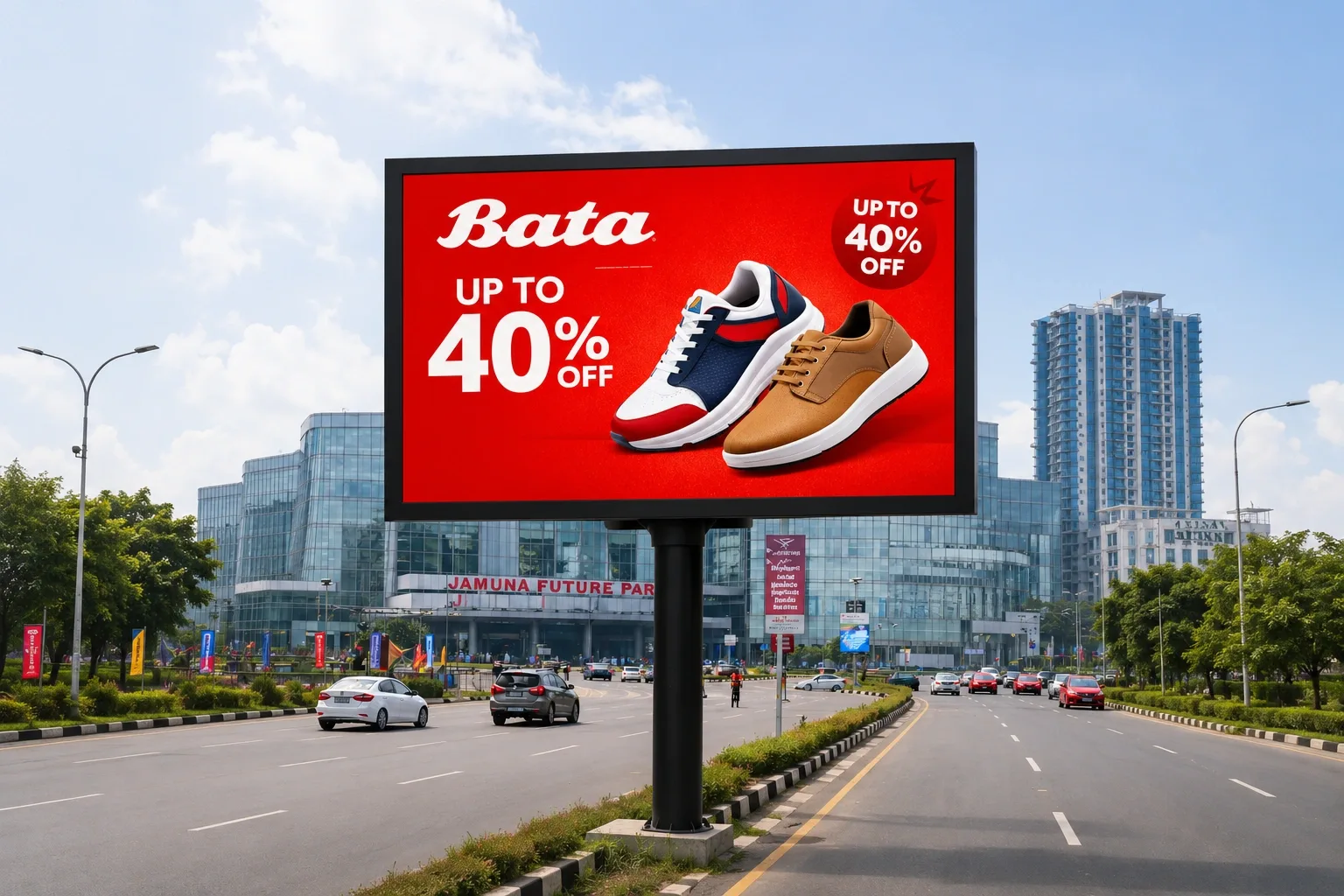
Looking for an updated LED display price in Bangladesh (2026) with clear, practical guidance—before you buy? This page helps you compare indoor LED display, outdoor LED billboard, and rental LED screen options, plus a complete video wall solution setup with essential accessories (controller, receiving card, power supply). For Advertising LED screen and Digital signage projects, we highlight popular pixel pitch choices—P1.25, P1.86, P2.5, P3, P4, P5, P6, P8, and P10—so you can match clarity and viewing distance to your real use-case. For long-term consistency, each LED module can be configured with premium chips like NationStar, Nichia, and Osram to deliver uniform color and stable performance in Bangladesh's climate. We recommend pixel pitch based on viewing distance and content type, then plan brightness, cabinet quality, structure, power distribution, and installation scope so your quotation is BOQ-ready. Sasha Corporation delivers nationwide support in Bangladesh, including installation, calibration, training, warranty planning, and dependable after-sales service for long-term performance.
Advertising LED display price in Bangladesh is influenced by several practical factors—pixel pitch, module quality, target screen size (resolution), brightness level, cabinet type (indoor vs outdoor/IP rating), and the total installation requirements (structure, wiring, power distribution, and commissioning). For a quick budget idea, LED advertising display modules are usually quoted per square foot, and in 2026 many common configurations fall roughly within ৳4,200 to ৳22,400 per sqft depending on the model, brand, technology, and project specifications. Outdoor LED displays such as P10, P8, P6, P5, and P4 are popular for roadside billboards, shopping malls, building facades, and large digital advertising screens—these typically require higher brightness and weather-resistant cabinets so content stays clear in direct sunlight and outdoor conditions. Indoor LED displays commonly use smaller pitches like P3, P2.5, P2, P1.86, P1.53, and P1.25 to deliver sharper close-view clarity for corporate offices, conference rooms, retail stores, and showrooms. The right selection depends on viewing distance, installation location, and your content needs; a properly designed LED system improves visibility, reliability, and long-term performance, and also reduces surprise costs when you include the full system (controller/receiving cards, power supplies, spares) plus support and warranty in the final quotation.
LED Display Price Chart in Bangladesh 2026
Explore current Indoor and Outdoor LED display module prices in Bangladesh. Select any listed model to check detailed specifications, cabinet configuration options, and complete product information.
Note: Prices may vary depending on configuration, installation scope, and order quantity.
LED Display Solutions in Bangladesh
Sasha corporation provides complete LED Screen solutions in Bangladesh covering planning, product selection, installation, configuration, and ongoing support for indoor LED panel, outdoor LED Billboard, rental LED display, and LED video wall projects. From commercial advertising and retail branding to corporate, institutional, and event environments, our team focuses on practical specifications, stable performance, and long-term service support for consistent visual impact.
End-to-End LED Screen Implementation
We help clients select the correct LED configuration based on viewing distance, environment, content type, and operational requirements. Each project is planned with attention to power stability, structure safety, and long-term usability. Pricing is specification-driven and clearly explained-covering modules, cabinets, control systems, structure, installation and calibration.
Indoor video walls for offices, malls, studios
Outdoor screens for advertising and public visibility
Rental displays for events and stage programs
Site survey, installation, calibration & training
Project delivery across major cities in Bangladesh
Display size, pitch, brightness and structure matched to real usage conditions.
Clean Installation
Proper mounting, cable routing and commissioning for stable daily operation.
Accurate Configuration
Controller setup and calibration ensure smooth playback and color consistency.
Clear Cost Breakdown
Itemized quotations with transparent scope and warranty terms.
After-Sales Support
Guidance, troubleshooting and spare support for long-term reliability.
Responsive Service
Timely support for installation and maintenance across key locations.
What Is an LED Display?
An LED display is a digital screen made of many small light-emitting diodes (LEDs) that work together to show video, images, text, and real-time messages with high brightness. It is widely used for showroom branding, retail signage, corporate communication, roadside advertising, and event screens because content can be updated quickly from a control system. In practical planning, screen quality depends on pixel pitch, brightness level, controller capability, and installation environment, so businesses can choose the right LED display setup for both visibility and long-term operating value.
LED modules combine to form a scalable screen for text, video, and live visuals
Pixel pitch and viewing distance together decide clarity and reading comfort
Indoor, outdoor, and rental formats are chosen based on environment and usage time
Controller and content software enable scheduled updates without reprinting media
Proper installation, calibration, and maintenance keep long-term performance stable
How an LED Display Screen Is Built (Step-by-Step)
An LED display is not manufactured as one single panel. It is built as a system: LED modules are assembled into cabinets, then combined with a control system, power distribution, and a safe mounting structure. This process helps match the screen to your site conditions (indoor, outdoor, or rental), viewing distance, content type, and long-term reliability needs.
1) Plan pixel pitch and screen size
Define viewing distance, content (text/video), and target resolution to select the right pitch and dimensions.
2) Choose modules, cabinets, and protection level
Select indoor/outdoor/rental module type, cabinet material, service access, and required weather protection for the location.
3) Design the control & signal chain
Set up controller/processor, receiving cards, and reliable data routing so every cabinet receives stable, synchronized video.
4) Engineer power, cooling, and grounding
Plan power supplies, distribution, earthing, and ventilation to keep brightness stable and reduce long-term failure risk.
5) Assemble and install on site
Mount the structure, fix cabinets, connect power and data, and complete safety checks based on the installation environment.
6) Calibrate, test, and hand over
Perform brightness/color uniformity calibration, refresh-rate and playback testing, then provide operator training and maintenance guidance.
Quick checklist before you finalize a model
Pixel pitch fits your viewing distance and content (text needs finer pitch).
Brightness and protection level match indoor vs outdoor conditions.
Controller and receiving cards support your required resolution and refresh.
Power supplies, grounding, and ventilation are planned for safe operation.
What Is an LED Display Module & How It Works
An LED display module is the smallest “building block” of an LED screen. Multiple modules fit into a cabinet, and multiple cabinets join to form the full display. In most systems, one module includes the LED lamp pixels (SMD or DIP), a PCB with driver ICs, connectors for power and data, and a protective mask to improve contrast. Modules are produced by LED display manufacturers and component ecosystems such as Lampro, Absen, Leyard, and Unilumin.
How LED Modules Are Made (Practical View)
Module production follows a controlled electronics process so pixel color, brightness, and reliability stay consistent. Exact steps vary by factory, but the workflow typically looks like this:
PCB preparation and SMT placement of components (driver ICs, resistors, connectors).
LED pixel mounting (SMD/DIP) with strict alignment for uniform visuals.
Soldering, cleaning, and electrical inspection (open/short and continuity checks).
Aging tests and burn-in to detect early failures before shipment.
Brightness and color binning / calibration support for better uniformity across a screen.
How an LED Module Works
When you play content, the controller and receiving card send pixel data to each module. Driver ICs then switch the red, green, and blue sub-pixels on and off at very high speed (PWM + scanning) so your eyes see smooth brightness levels and accurate colors. This is why module quality impacts readability: uniform LEDs, stable drivers, and clean power delivery help reduce flicker, color shift, and uneven brightness.
What affects module performance most
Pixel pitch and LED type (detail level and viewing comfort).
Driver IC and refresh rate capability (flicker control).
Power design and grounding (stability and long-term reliability).
Factory consistency and calibration (uniform brightness and color).
LED display working principle starts with a content source and ends at millions of tiny light points that form one complete image. Media is first sent from a laptop, media player, or cloud CMS to a controller, then distributed through receiving cards to each LED module. Every module lights red, green, and blue diodes in synchronized timing so text, video, and graphics appear smooth and readable. This is why LED display is preferred for business communication: it offers high brightness, flexible screen size, fast content update, and better long-term visibility across indoor, outdoor, and event environments.
1) Content Input
Video, image, text, and live feed are sent from CMS, laptop, or media player.
2) Signal Processing
LED controller decodes the signal and maps resolution for panel-level output.
3) Module Rendering
Receiving cards distribute data so each LED pixel reproduces exact color and brightness.
4) Live Playback
Screen displays synchronized visuals with schedule control and real-time update support.
Why Businesses Use LED Display
These practical factors explain why LED display panels are widely selected for brand communication, digital signage, advertising screens, and information systems in Bangladesh.
Visibility in day and night95%
Fast content update capability91%
Scalable size for different sites88%
Long-term communication value86%
Core Elements That Affect Output Quality
Pixel pitch: Lower pitch improves close-view detail for indoor text and fine graphics.
Brightness (nits): Correct brightness keeps content readable in ambient light.
Refresh and control chain: Stable controller setup improves motion smoothness.
Installation quality: Proper cabling, calibration, and power planning reduce long-term issues.
Content Type Distribution on Typical LED Screens
Typical business screens in Bangladesh usually mix offers, product information, brand visuals, and live notices. This sample split helps teams plan a clear daily content schedule.
Content Mix
Offers and campaign video: 35%
Product and price information: 30%
Brand visuals and trust content: 20%
Live notice, queue, and alerts: 15%
LED Display Performance Factors (Visual Score)
These bars show a practical impact score for day-to-day readability and stable operation in real deployment conditions.
92%
Content Clarity
89%
Brightness Match
86%
Pixel Pitch Fit
82%
Calibration
78%
Controller Stability
Benefits of Digital LED Display for Advertising
Digital LED signage for outdoor advertising improves visibility, message control, and campaign performance for brands in Bangladesh. It enables high-brightness display output for daylight readability, faster content updates for time-sensitive promotions, and measurable communication impact across roadsides, commercial zones, and public locations. With better audience attention and flexible scheduling, outdoor LED signage helps businesses run more effective, scalable, and cost-efficient advertising campaigns.
1
Daylight Visibility That Stays Clear
High-brightness LED signage keeps ads readable in direct sunlight and busy roadside conditions where print often loses impact.
Suitable for highway, rooftop, and commercial facade placement
Supports wide viewing angles for moving audiences
2
Real-Time Campaign Control
You can update offers, pricing, and announcements instantly without reprinting banners, reducing campaign delay and operational friction.
Schedule content by time slot, event, or location
Run multiple creatives for different audience windows
3
Stronger Return on Advertising Spend
A single digital screen can run repeated and rotating campaigns for months, improving utilization compared to one-time static printing.
Lower recurring print and replacement dependency
Higher message frequency improves recall and response
4
Scalable for Different Business Sizes
From storefront branding to large-format billboards, modular LED systems can be sized and expanded based on site goals and budget.
Flexible cabinet layout for custom dimensions
Easier long-term expansion with compatible modules
LED Display Technology
Choosing the right LED display technology helps improve visual quality, durability, and long-term value. Below is a practical comparison of common technologies used in Bangladesh for indoor, outdoor, rental, and commercial LED screen projects.
SMD LED
SMD (Surface-Mounted Device) LED is one of the most used technologies for modern LED display panels. Red, green, and blue diodes are integrated in a compact package to deliver balanced color and smooth image output.
Good viewing angle and color uniformity for indoor and semi-outdoor usage.
Popular for retail branding, conference rooms, showrooms, and stage backdrops.
Supports a wide range of pixel pitch options for different viewing distances.
Cost-effective and widely available for new installation and maintenance support.
GOB LED
GOB (Glue-on-Board) LED adds a transparent protective layer on top of the LED surface. This design improves resistance to impact, dust, and moisture while keeping display performance suitable for public and high-contact environments.
Better physical protection compared with standard exposed LED module surfaces.
Useful for schools, shopping malls, transport hubs, and high-traffic indoor zones.
Helps reduce risk of dead pixels caused by accidental touch or minor impact.
A practical option when reliability and panel safety are top priorities.
COB LED
COB (Chip-on-Board) LED uses direct chip packaging on the board, which can support finer pixel pitch applications and premium close-view performance. It is often selected for advanced indoor visual systems where image refinement and efficiency matter.
Suitable for fine-pitch indoor LED wall requirements and close-distance viewing.
Offers strong black level performance and improved perceived contrast in many setups.
Common in control rooms, corporate lobbies, studios, and command center environments.
Typically considered for premium projects with long-term professional usage goals.
Micro LED
Micro LED uses ultra-small LED chips for extremely high contrast, deep blacks, and precise color control. It is ideal for premium indoor display walls that demand seamless visuals and long-term reliability.
Excellent brightness uniformity and contrast for flagship indoor installs.
Very fine pixel pitch options for close-view premium environments.
Energy-efficient with long service life for enterprise-grade deployments.
Used in luxury showrooms, broadcast studios, and high-end control rooms.
Final technology selection depends on location, viewing distance, expected brightness, maintenance plan, and budget. For best results, compare SMD, GOB, and COB options based on real project conditions instead of choosing only by headline specification.
How to Choose the Right LED screen in Bangladesh
A good choice comes from matching real viewing conditions with the correct module pitch, cabinet plan, and control ecosystem. This short guide helps you avoid the most common mistakes before you request a quotation.
1) Define the viewing setup
Confirm indoor/outdoor placement, typical viewing distance, and whether your content is text-heavy or video-heavy.
Location + distance
Content type
Screen size (W × H)
2) Select pitch and brightness
Choose a pitch that keeps text readable at your distance. For outdoor installs, plan brightness and cabinet protection for sun and weather.
Pixel pitch for readability
Brightness target
Maintenance access (front/rear)
3) Plan the full system
A stable setup depends on compatible controller/receiving cards, power sizing, grounding, and commissioning (mapping + calibration).
Controller ecosystem
Power + safety
Installation + calibration
LED Display Buying Guide (Bangladesh)
If you are buying an LED display for a business, showroom, advertising, or event project, start with the basics that affect real-world performance: viewing distance, brightness needs, content type (text vs video), electrical conditions, and installation safety. This guide helps you shortlist the right LED screen configuration before you request a quotation.
Step 1: Pick the correct screen category
Choose indoor vs outdoor vs rental based on environment, usage hours, and servicing access.
Indoor LED display — Best for close viewing and crisp text (showrooms, offices, studios, control rooms).
Outdoor LED display — High brightness and weather protection for daylight visibility (billboards, roadside, shop fronts).
Rental LED display — Quick-lock cabinets and event-friendly setup (stage, programs, exhibitions).
Quick inputs (share these first)
Indoor or outdoor location + exposure (sun/rain/dust)
Typical viewing distance (nearest and farthest)
Target screen size (W × H) or available wall space
Content type: text-heavy, video-heavy, or mixed
Pixel pitch vs viewing distance (visual)
Current pitch: P10
The closer the viewer stands, the smaller pixel pitch you usually need for sharper text and details.
Typical viewing: 15m+ (billboards)
LED screen
Far view: bigger pitch Close view: smaller pitch
Step 2: Match pixel pitch to distance
Pixel pitch is where most budgets go wrong. Use these ranges as a practical starting point, then fine-tune based on screen size and how text-heavy your content is.
Viewing distance
Recommended pitch
Best for
1–2 m
P1.25–P1.86
Fine text, close viewing
2–4 m
P2–P2.5
Mixed text + video
4–8 m
P3–P4
Signage, branding, mid-range
8–15 m
P5–P6.67
Roadside, larger screens
15 m+
P8–P10
Far-distance billboards
Popular pitch shortcuts (common picks)
Pitch
Typical viewing
Common use
P2
2–4 m
Close-view indoor wall, dashboards
P3
3–6 m
Showroom, lobby, meeting space
P4
4–8 m
Stage backdrop, large indoor hall
P5
5–12 m
Outdoor shop signage, roadside branding
P10
10 m+
Long-distance billboard viewing
Tip: If you show lots of scrolling text or price lists, choose a finer pitch at the same distance to keep letters crisp.
Confirm minimum + maximum viewing distance before choosing pitch.
Decide content first (text-heavy vs video-heavy) to avoid over/under-buying.
Check service access and wall/structure space (front vs rear service).
Validate controller compatibility + power distribution early in planning.
Step 3: Confirm brightness + protection
Outdoor screens need higher nits and proper cabinet sealing. Indoor screens can prioritize resolution and comfort.
Step 4: Plan power + structure safely
Stable power supplies, grounding, surge protection, and a safe mounting frame reduce downtime and long-term cost.
Step 5: Choose the right control system
Match controller + receiving card capacity to your target resolution and refresh requirements for smooth playback.
What to share for an accurate quotation
A quick site survey (or clear photos and measurements) helps avoid mismatched size, power issues, and hidden installation costs.
Indoor and outdoor LED displays solve different problems. Indoor setups focus on close-view clarity and comfortable brightness, while outdoor setups prioritize daylight visibility, weather protection, and structural safety. Use this guide to shortlist the right direction before requesting a site-specific quotation.
Indoor LED display: best for close viewing
Suitable for showrooms, offices, lobbies, studios, and meeting rooms where text and fine details need to stay sharp at short distances.
Finer pixel pitch for crisp text and high detail.
Higher refresh rate options for clean camera capture (events/streaming).
Front-service vs rear-service planning based on access behind the wall.
Lower brightness target than outdoor, optimized for indoor comfort.
Color uniformity and calibration matter more for premium indoor walls.
Outdoor LED display: built for daylight and weather
Recommended for roadside branding, shopfront signs, building facades, and public screens where sunlight, rain, and dust are key factors.
Higher brightness planning for daylight readability.
Cabinet protection level (IP) and waterproof cable routing.
Heat management and power stability for long running hours.
Wind-load and mounting structure checks for safety.
Service access strategy to keep maintenance fast and safe.
Key factor
Indoor
Outdoor
Viewing distance
Short-to-mid (detail focused)
Mid-to-long (visibility focused)
Brightness target
Comfortable indoor levels
High brightness for daylight
Cabinet protection
Standard indoor cabinet
Weather-ready cabinet (IP planning)
Maintenance access
Front/rear service based on wall setup
Service access with safety constraints
Power & safety
Stable supply + grounding
Surge protection + outdoor power distribution
Typical use cases
Video walls, dashboards, meeting rooms
Signage, billboards, public screens
Quick checklist (before you choose)
Where will the screen be placed (indoor/outdoor) and what is the typical viewing distance?
Is your content mostly text (menus/price lists) or video-heavy ads?
Do you need front-service because there is no space behind the wall?
For outdoor installs: rain/dust exposure, sunlight direction, and safe mounting structure.
Compare LED display vs projector vs LCD video wall to choose the best display solution for your business, showroom, office, or event environment in Bangladesh. This comparison highlights key factors such as brightness performance, image clarity, viewing distance, maintenance requirement, and long-term operating cost so you can make a practical, budget-friendly decision with better visual impact.
LED Video Wall
Best for large seamless screens with high brightness and strong long-term performance.
Seamless (no bezel lines)
Excellent brightness & contrast
Scales well for big sizes
Ideal for 24/7 usage
Projector
Cost-effective for large visuals, but needs controlled lighting and periodic maintenance.
Works best in dark rooms
Lower brightness vs LED
Lamp/laser maintenance costs
Not ideal for bright areas
LCD Video Wall
Good for indoor control rooms, but bezel lines may be visible across panels.
Visible bezels between screens
Strong detail in small-medium sizes
Good for indoor dashboards
Scaling is limited by bezels
Why Choose Sasha Corporation for LED Display Solutions in Bangladesh
Sasha corporation is a reliable LED screen supplier across Bangladesh. Modern projects in Bangladesh require trusted components, structured engineering, and dependable support across indoor, outdoor, rental, and signage applications. From planning and product selection to commissioning, calibration, and maintenance, our workflow is built for stable performance, image consistency, and long-term reliability. We can supply LED panels from the world's leading manufacturers, including Absen, Leyard, Lampro, and Unilumin. We rely on trusted brands such as Huidu, Novastar, Colorlight, and G-Energy. Working with an experienced provider helps businesses reduce technical risk, improve content clarity, and strengthen brand impact across commercial, corporate, institutional, and public communication environments.Since 2016, our competent LED display team has successfully completed 50+ projects across Bangladesh, supporting clients with installation, calibration, commissioning, and dependable after-sales service. We are LED display installers in Bangladesh, not just sellers.
Premium-Grade Components
Original, premium-grade LED components are selected for consistent output quality, dependable stability, and longer operating life.
Globally Trusted Brands
Each solution is built using globally trusted ecosystems like Leyard, NovaStar, and Mean Well for professional-grade reliability.
Expert Engineering & Support
Experienced engineers handle design, installation, calibration, and after-sales service to maintain smooth long-term performance.
Bangladesh Climate Ready
Outdoor-ready dust-resistant and weatherproof configurations are planned for Bangladesh heat, humidity, and demanding site conditions.
China's Top and Globally Reputed Brands
We source key systems from globally trusted ecosystems such as Leyard, NovaStar, and Mean Well to ensure stable performance and longer service life.
Expert Engineering Solutions & Support
Project design, installation, calibration, and support are managed by experienced engineers to ensure clean wiring, accurate setup, and dependable operation.
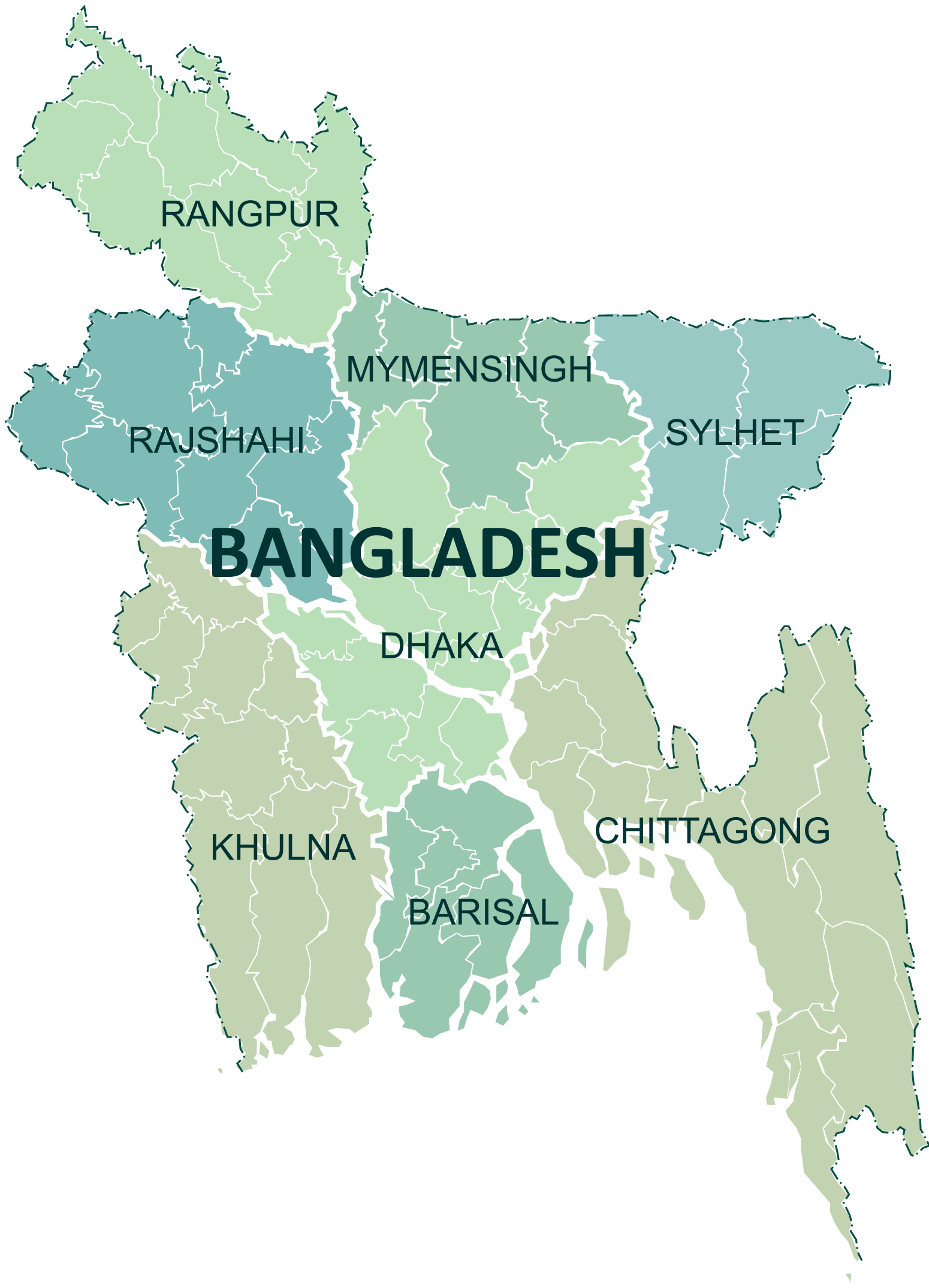
We serve all 64 districts and 8 divisions of Bangladesh.
🏙️
Dhaka Division
Dhaka
Installation • Calibration • Support
🌊
Chattogram Division
Chattogram
Installation • Calibration • Support
🌾
Rajshahi Division
Rajshahi
Installation • Calibration • Support
🌿
Khulna Division
Khulna
Installation • Calibration • Support
🚤
Barishal Division
Barishal
Installation • Calibration • Support
🍃
Sylhet Division
Sylhet
Installation • Calibration • Support
🏞️
Rangpur Division
Rangpur
Installation • Calibration • Support
🌼
Mymensingh Division
Mymensingh
Installation • Calibration • Support
LED Display Applications in Bangladesh
From storefront visibility to large public screens, the right setup depends on viewing distance, ambient light, content type, and maintenance access. Here are common application scenarios buyers shortlist.
Retail & showroom signage for promotions, product highlights, and branding.
Outdoor advertising and roadside screens for high-brightness public visibility.
Corporate lobbies and meeting rooms for announcements, dashboards, and presentations.
Stage & rental events for dynamic visuals, live camera feeds, and sponsor content.
Institutions (campus/hospital/office) for wayfinding and real-time information display.
Sports and community venues for schedules, scores, and public messaging.
Why Sasha Corporation is trusted for LED display solution
Buyers usually face confusion around pitch selection, controller compatibility, power sizing, and installation scope. Our team focuses on clear engineering choices and a practical handover that supports long-term uptime.
Requirement review based on distance, content, site conditions, and budget—no guesswork.
Matched ecosystem planning (controller/receiving card/PSU) to reduce flicker and stability issues.
Installation, mapping, calibration, and commissioning done with safety-focused workflow.
Clear BOM/BOQ-style quotation so you can validate what’s included before purchase.
After-sales support planning with spares guidance for faster maintenance and less downtime.
Simple promise: right product + right setup + support.
Trusted
Reliable Sourcing
China import + BD stock. Genuine modules, controllers and accessories.
Expert Installation
Site survey, structure, wiring, calibration—complete end-to-end service.
After-Sales Support
Maintenance, spare parts and troubleshooting—long-term peace of mind.
Practical Site Planning
Location, screen size, power line, and structure checks are aligned early to avoid rework and delay.
Why 100+ Businesses Rely on Our LED Display Panels
Businesses across Bangladesh rely on our LED display panels for stable performance, accurate component matching, and dependable long-term support. From indoor and outdoor projects to rental setups and video wall deployments, our process emphasizes practical engineering, proper calibration, and service continuity. This helps organizations reduce downtime, maintain visual consistency, and protect long-term return on investment.
Correct spec matching
We match module scan/IC, receiving card, PSU capacity and processor, reducing common issues like flicker and shifting.
Mapping accuracy
PSU sizing
Processor compatibility
Professional installation
Structure safety, neat cabling, earthing, and commissioning tests are done with a checklist-driven approach.
Structure & cable routing
Grounding & SPD planning
Burn-in + testing
After-sales support
Spare planning guidance and troubleshooting support helps reduce downtime and keeps screens running.
Spare modules/PSU
Remote support (system dependent)
Maintenance schedule
Explore Related Pages
Jump to the most relevant section of our website based on your use case, budget stage, or technical planning need.
A proper LED display installation process improves visual performance, operational safety, and long-term reliability. The workflow below gives a simple and practical overview so buyers can understand how a professional LED screen project is planned, installed, tested, and handed over in Bangladesh.
Step 1: Site Survey and Requirement Collection
The team checks location dimensions, viewing distance, ambient light, structural condition, and electrical readiness. At this stage, project goals and content type are finalized.
Measure screen area and audience viewing zones.
Confirm indoor, outdoor, or rental operating environment.
Identify content source: HDMI, media server, live feed, or remote control.
Step 2: System Design and BOQ Planning
Based on survey findings, the technical team prepares pixel pitch recommendation, cabinet layout, controller architecture, and power distribution plan with a clear scope of work.
Select suitable LED modules and cabinet structure.
Define controller, sending card, and receiving card compatibility.
Prepare itemized BOQ including installation and calibration scope.
Step 3: Structure, Cabling, and Power Preparation
Before mounting panels, the support frame, cable routes, and distribution board setup are prepared for safety and serviceability. This step reduces future downtime and maintenance risks.
Install mounting frame with alignment and load safety checks.
Set AC power lines, earthing, and protection devices.
Complete data and power cable routing with clean labeling.
Step 4: Panel Mounting and Controller Configuration
LED cabinets/modules are installed in sequence, followed by mapping and signal configuration. Accurate addressing and controller setup are critical for stable output.
Mount panels with proper lock and flatness adjustment.
Configure receiving card mapping and communication chain.
Set sender/controller resolution and input signal parameters.
Step 5: Testing, Calibration, and Quality Check
The display is tested under real content conditions to validate brightness balance, color consistency, and signal stability. Any mismatch is corrected before handover.
Run test patterns for pixel, line, and color uniformity checks.
Tune brightness, grayscale, and playback smoothness.
Perform burn-in and stability testing for operational readiness.
Step 6: Client Handover and Support Orientation
After final approval, operators receive basic training on content update, routine checks, and issue reporting. Documentation is shared for daily use and future support.
Provide operation guide and controller usage workflow.
Explain preventive maintenance and cleaning frequency.
Share support channel for troubleshooting and service response.
Simple Timeline Overview
Project duration varies by screen size, site readiness, and installation complexity. A common workflow timeline is shown below for planning clarity.
Frequently Asked Questions (FAQ) for Bangladeshi Buyers
1What is an LED screen?
+
An LED screen is a digital display surface built from LED modules that work together to show text, images, video, and live content. It is commonly used for advertising, business communication, indoor video walls, outdoor branding, and event presentations.
2How does Led display work?
+
An LED display works by controlling thousands of tiny light-emitting diodes in grouped pixels. The controller and receiving cards process your video or image signal, then drive each pixel’s red, green, and blue output to create clear text, graphics, and motion content in real time.
3Which LED display is better for close viewing?
+
For close viewing, indoor models with finer pixel pitch are usually better. The best option depends on distance, screen size, and content quality requirements.
4What should I check before buying an outdoor LED display?
+
Check brightness level, cabinet protection, control system quality, and installation standards to ensure stable outdoor performance.
5Can LED display size and pixel pitch be customized?
+
Yes. Screen size and pixel pitch are typically customized according to viewing distance, location, and content goals.
6Do you provide full deployment support?
+
Yes. Planning, installation, controller setup, calibration, and post-installation support are part of a complete LED display solution.
7How do I choose the right pixel pitch for my location?
+
Pixel pitch should be selected based on viewing distance, content type, and expected clarity. Closer viewing typically requires finer pitch, while long-distance visibility allows larger pitch.
8How long does a standard LED display installation take?
+
Timeline depends on screen size, structure readiness, and site conditions. Small to medium projects are often completed in a few working days, while larger installations need longer planning and execution.
9Can LED display systems run content remotely?
+
Yes. Most modern controllers support remote content management, allowing you to update videos, text, and campaign media from a connected system.
10What maintenance is required for long-term LED performance?
+
Regular cleaning, periodic calibration, stable power management, and preventive technical checks help maintain brightness consistency and long-term reliability.
11Do you support both permanent and rental LED projects?
+
Yes. Solutions are available for fixed installations as well as temporary rental requirements for events, stage productions, and campaigns.
12What information do you need for an LED display quotation?
+
Screen size (W×H), viewing distance, indoor/outdoor environment, content source (HDMI/live or scheduled), installation method, and power/earthing condition are key inputs for a BOQ-ready quotation.
13Which brands do you use for LED modules and components?
+
We propose brands based on availability, project budget, and compatibility with the selected control system. Final brand selection depends on performance target and after-sales support planning.
14Is a site survey necessary before final quotation?
+
A site survey is strongly recommended to verify structure, electrical conditions, viewing angle, and environmental factors so the final proposal remains accurate.
LED panel important factors
Explore specific LED display topics by intent. Each page covers unique planning guidance, comparison notes, and practical buying context.