
Outdoor LED built for harsh weather
A waterproof LED display uses sealed cabinet engineering to protect critical electronics from rain, moisture, and dust-heavy roadside conditions.
Waterproof outdoor LED display is critical for Bangladesh environments where heavy rain, high humidity, road dust, and temperature variation can quickly reduce screen performance. This guide helps you plan a weatherproof LED screen setup using practical factors such as IP65/IP66 cabinet protection, front or rear service access, anti-corrosion structure, stable power distribution, grounding and surge protection, and ventilation strategy for continuous operation. Whether you are deploying an outdoor digital billboard, roadside branding screen, shopfront LED signage, or public information display, these checkpoints help you compare technical quality, reduce downtime risk, and maintain long-term brightness consistency with safer maintenance cost control.
Outdoor model cards for waterproof-ready project planning, categorized by common deployment scenarios.

Pixel pitch: 2.5 mm
৳10,400 - ৳11,400 (per sq.ft)
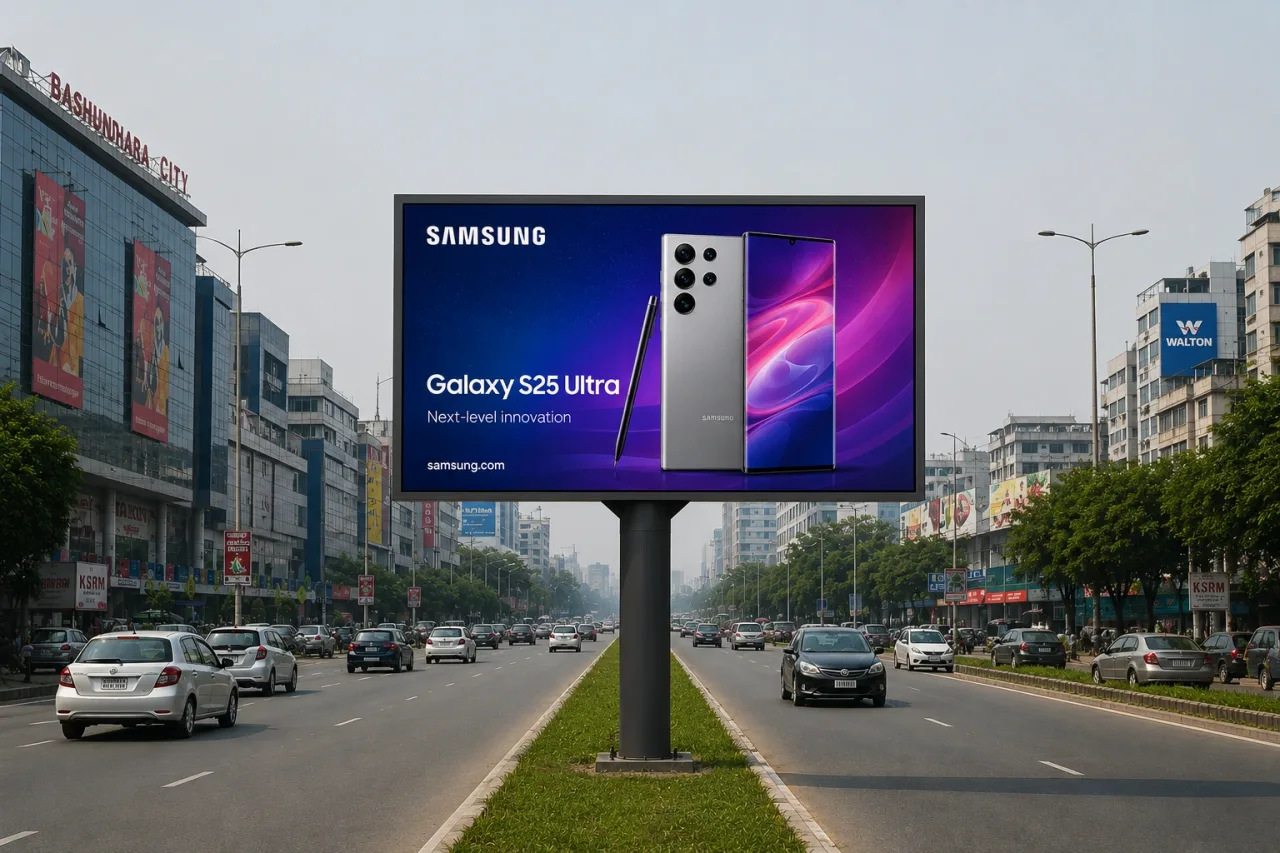
Pixel pitch: 3 mm
৳9,855 - ৳10,399 (per sq.ft)
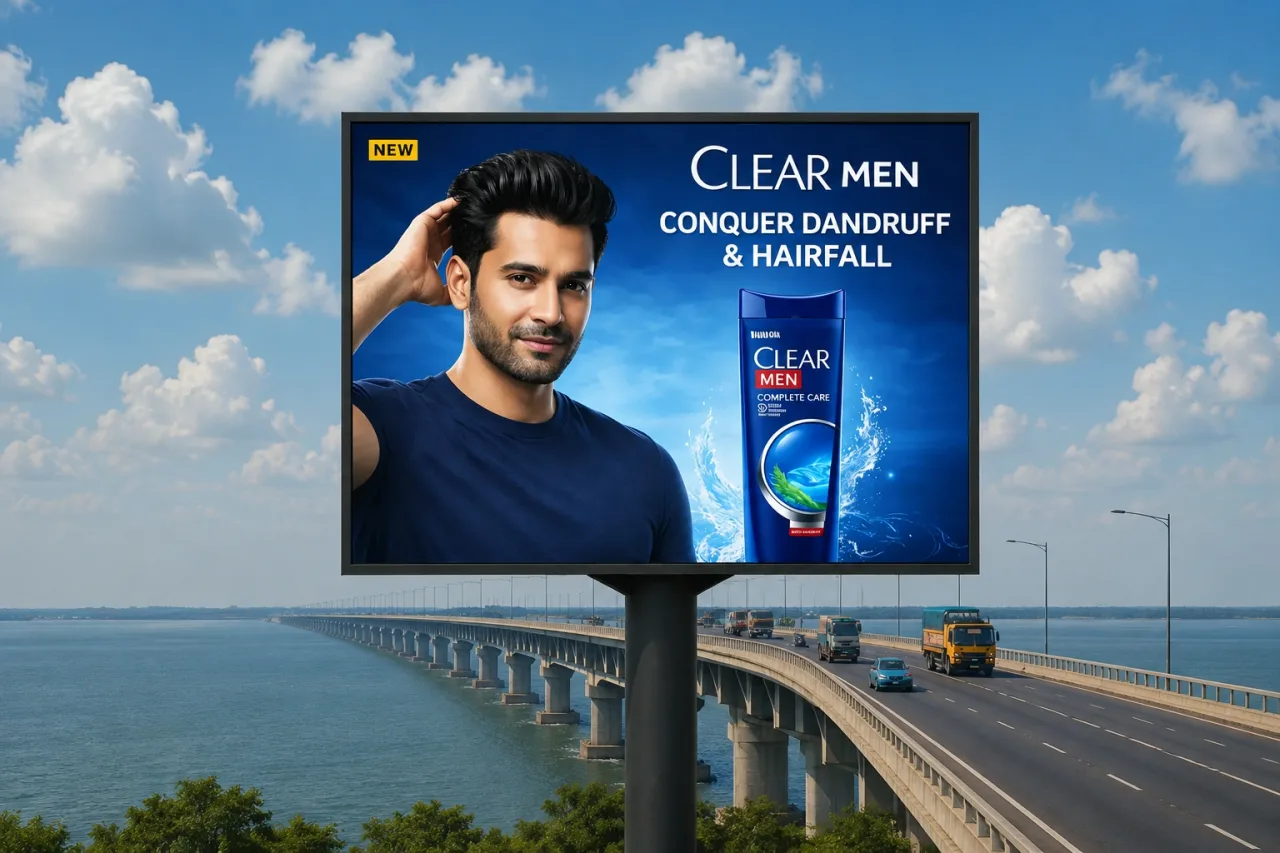
Pixel pitch: 3.076 mm
৳9,310 - ৳9,854 (per sq.ft)
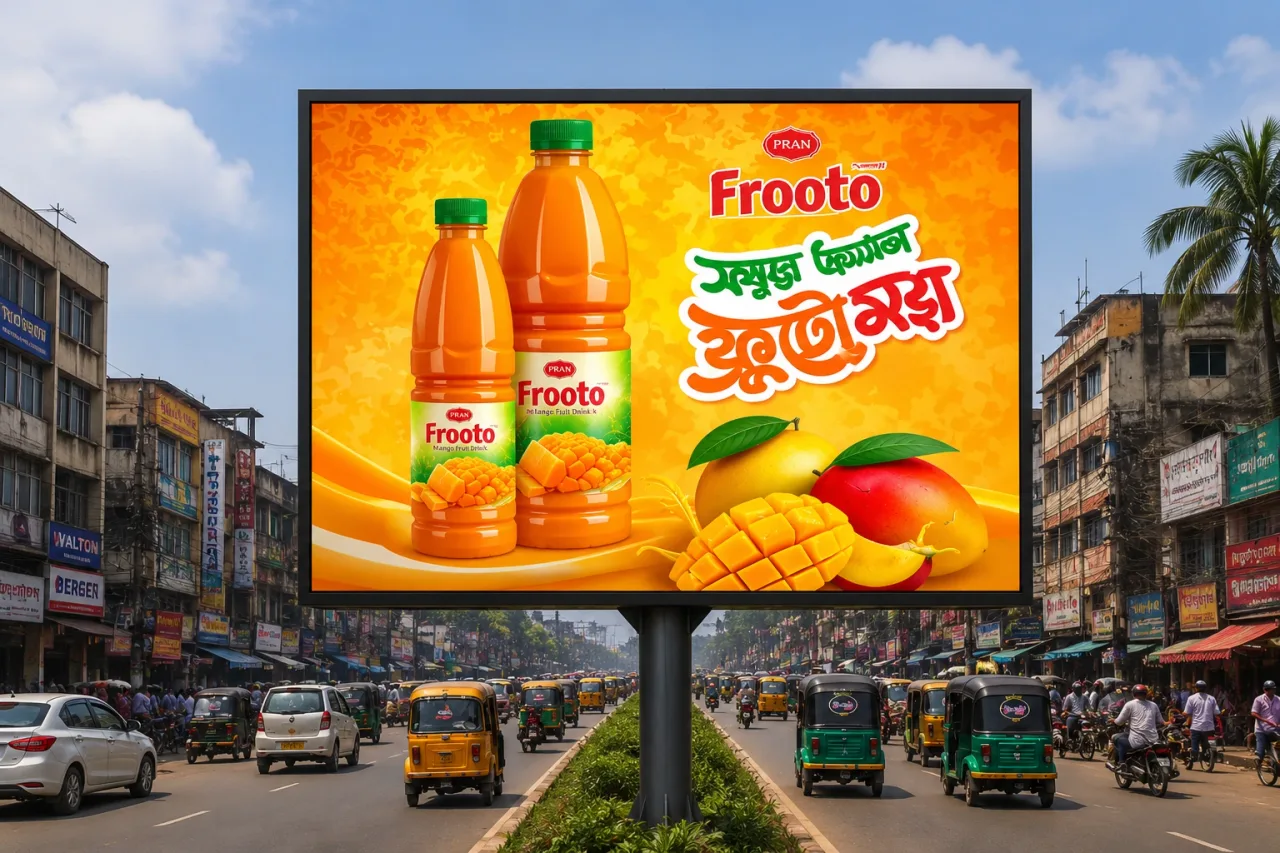
Pixel pitch: 4 mm
৳8,765 - ৳9,309 (per sq.ft)
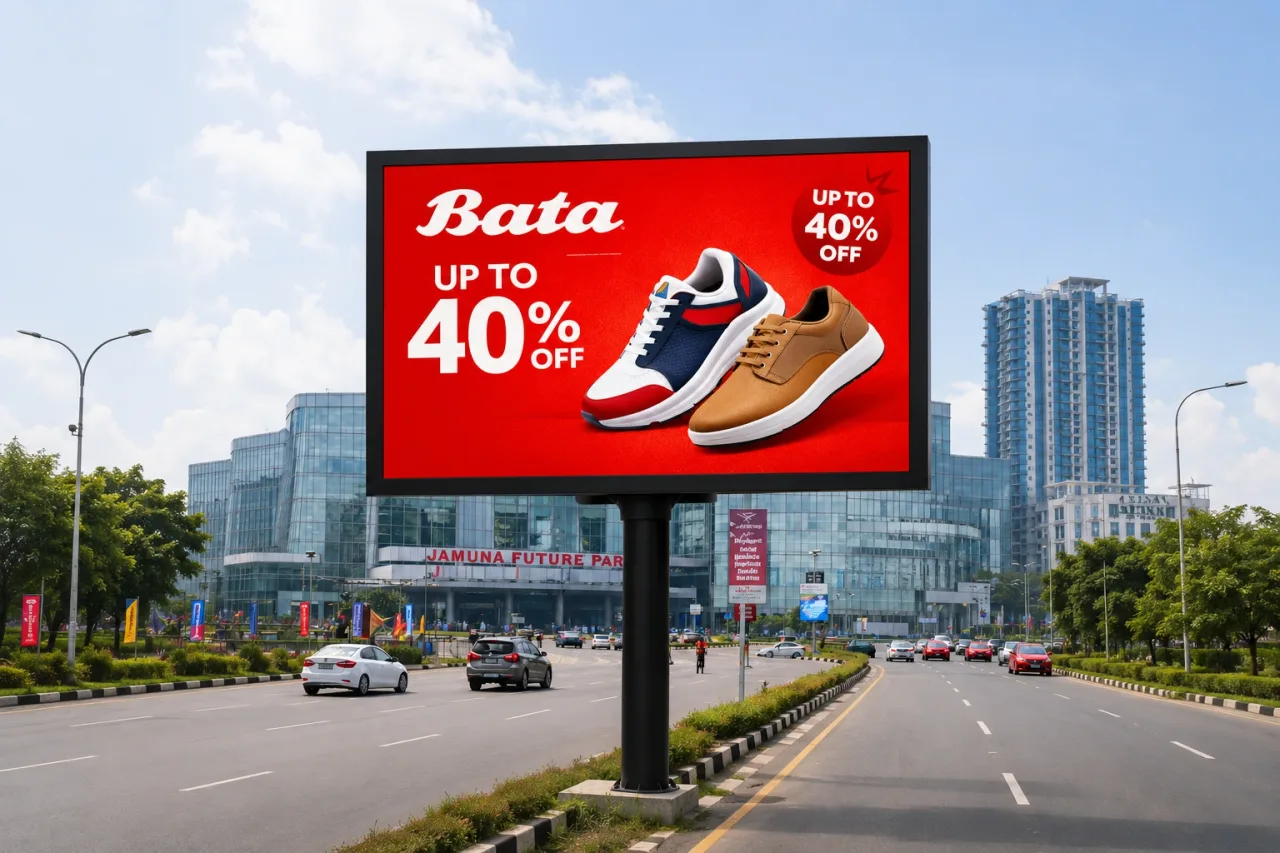
Pixel pitch: 5 mm
৳8,220 - ৳8,764 (per sq.ft)

Pixel pitch: 6 mm
৳7,675 - ৳8,218 (per sq.ft)
Pixel pitch: 6 mm
৳7,500 - ৳8,500 (per sq.ft)

Pixel pitch: 6.67 mm
৳7,130 - ৳7,674 (per sq.ft)

Pixel pitch: 8 mm
৳6,585 - ৳7,129 (per sq.ft)
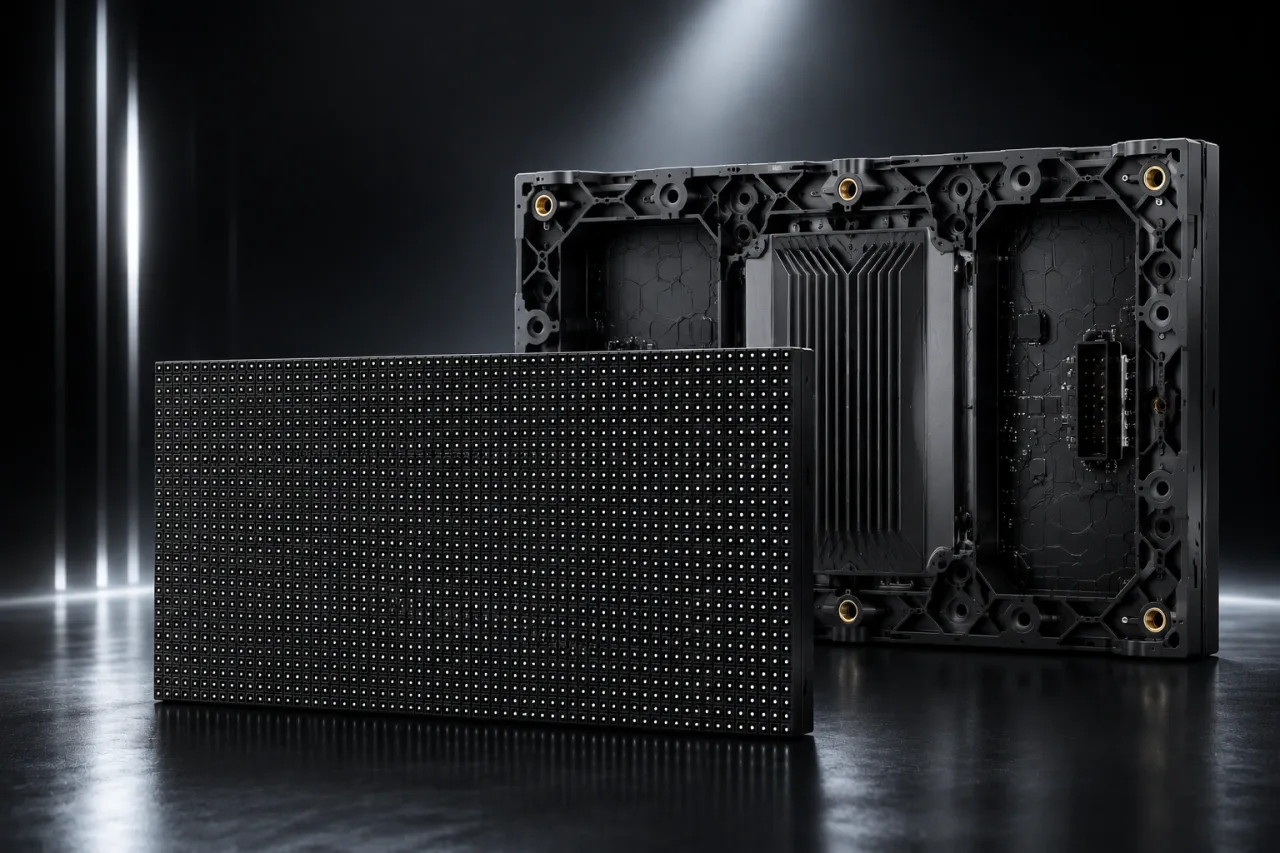
Pixel pitch: 10 mm
৳4,500 - ৳5,000 (per sq.ft)
A waterproof LED display uses sealed cabinet engineering to protect critical electronics from rain, moisture, and dust-heavy roadside conditions.
It combines outdoor brightness strategy, thermal management, and protected power flow so content remains readable in daylight and variable climate.
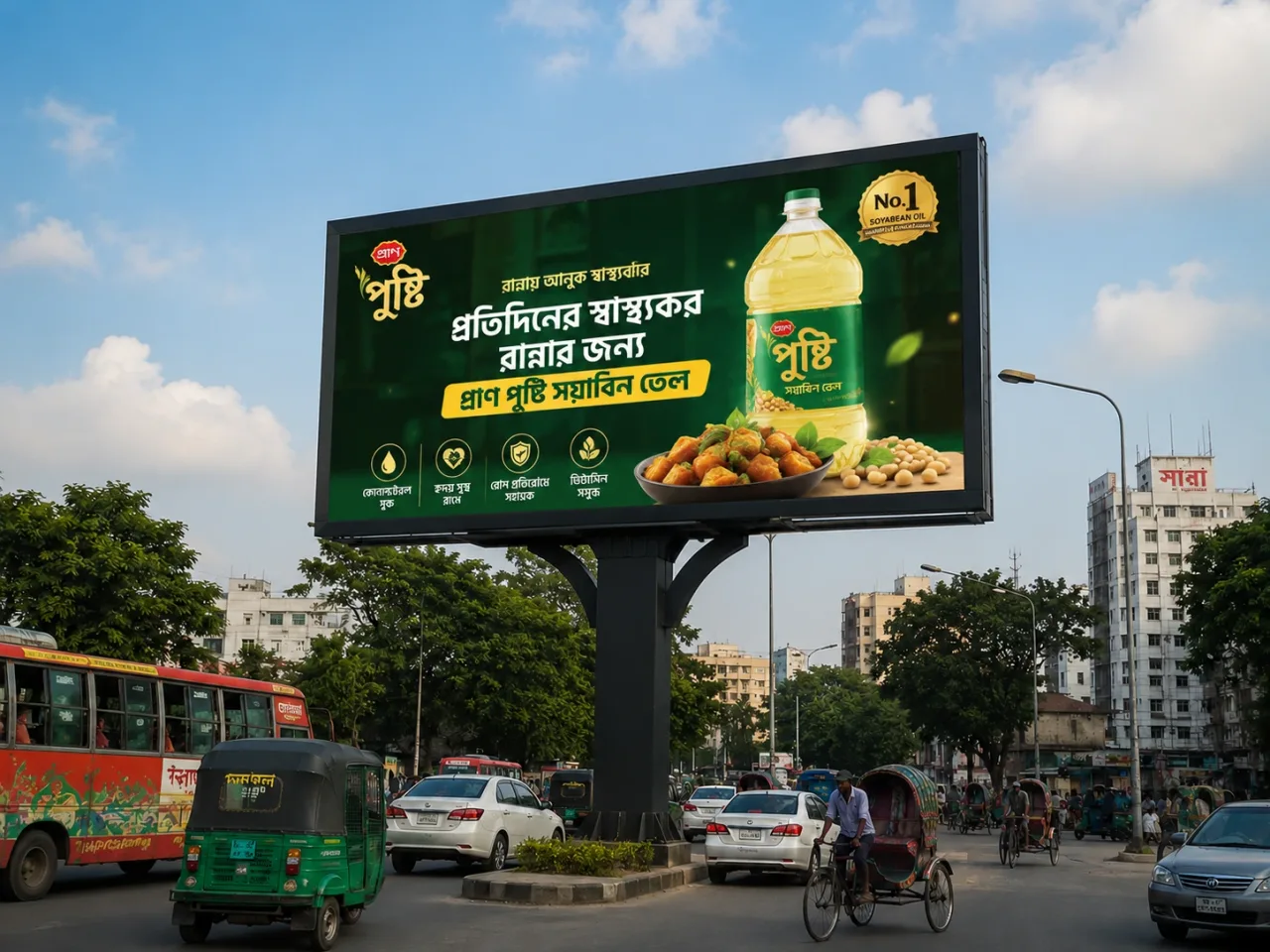
From billboard and shopfront branding to public information boards, waterproof screens support continuous operation in exposed locations.
We assess rain impact, dust level, sunlight direction, and viewing distance to define the right waterproof deployment strategy.
IP-grade target, cabinet layout, structure model, power protection, and maintenance access are aligned with project budget and uptime goals.
Our team completes installation, panel mapping, brightness tuning, and electrical safety validation before handover for live operation.
We define preventive maintenance schedule, inspection checkpoints, and response workflow to reduce downtime in weather-sensitive periods.
| Parameter | Standard Outdoor | Waterproof Outdoor |
|---|---|---|
| Weather tolerance | Moderate | High for rain and humidity scenarios |
| Maintenance risk | Higher in exposed sites | Lower when installed with correct safety stack |
| Best fit | Semi-covered installations | Roadside, rooftop, and open public zones |
| Risk | Possible Impact | Control Action |
|---|---|---|
| Water ingress at cable entry | Short circuit and module failure | Outdoor gland + sealed routing + periodic inspection |
| Power surge during storm | PSU/controller damage | SPD, grounding verification, and protected distribution panel |
| Thermal stress in enclosed cabinets | Brightness drop and reduced component life | Vent path, heat management, and load-balanced operation |
| Loose structure in high wind | Safety hazard and alignment loss | Certified structure check and scheduled tightening audit |
Classify site by rain, dust, wind, and direct sun exposure before final cabinet choice.
Choose front/rear service based on installation height and maintenance feasibility.
Plan panel-level protection based on local voltage stability and storm frequency.
Higher daily runtime requires stronger thermal and preventive maintenance planning.
Choosing the right IP level helps align hardware durability with real weather exposure and maintenance workload.
| IP Level | Protection Scope | Best Fit Scenario |
|---|---|---|
| IP65 | Dust-tight front face + rain jet resistance | Standard roadside billboard and open-wall installations |
| IP66 | Stronger water jet protection for exposed zones | High-rain routes, elevated structures, and storm-prone sites |
| IP67 (project-specific) | Temporary immersion-grade sealing scope | Special high-risk environments with engineered design review |
Correct nits planning improves readability and helps control power consumption across day and night cycles.
Suggested range: 4,500-6,000 nits
Balanced visibility for daytime and evening campaign readability.
Suggested range: 6,000-8,000+ nits
Higher brightness helps long-distance attention in direct sun.
Suggested range: Adaptive with dimming control
Auto-brightness helps comfort, compliance, and energy optimization.
Local weather and traffic profile can change protection strategy, support schedule, and operating stability.
Dust-heavy roads and dense traffic glare
Technical focus: Cabinet sealing check, filter cleaning cycle, and brightness tuning.
Humidity and coastal corrosion risk
Technical focus: Anti-corrosion treatment and stronger connector protection.
Frequent rainfall and moisture exposure
Technical focus: Drainage path audit and seasonal sealing inspection.
Heat and open-road exposure
Technical focus: Thermal management and power panel reliability checks.
Dry season dust and wide-road daytime exposure
Technical focus: Dust-control cleaning frequency and balanced brightness scheduling.
High humidity and frequent rain-cycle variation
Technical focus: Sealing integrity review and drainage-path reliability checks.
Seasonal weather fluctuation and open-area visibility demand
Technical focus: Adaptive brightness policy and preventive power-panel inspection.
Mixed urban-road deployment with moisture and dust overlap
Technical focus: Connector protection routine and periodic cabinet sealing audit.
Compare outdoor models for roadmap and site-specific deployment.
See all LED display options in one paginated grid.
Review visibility, placement, and campaign-focused outdoor planning.
Share site details before approving waterproof project budget.
Share location and dimensions to get project-ready recommendation.
Quick answers to common questions before selecting IP rating, protection scope, and maintenance plan for Bangladesh weather conditions.
IP rating is important, but real reliability also depends on installation quality, cable sealing, grounding, and routine preventive checks.
Service frequency depends on weather severity and operating hours, but periodic planned inspection is essential for stable uptime.
High-exposure zones generally need stronger waterproof and power protection planning to reduce failure risk and maintenance cost.