Sasha Corporation logo
+880160-8843419

Digital LED Display in Bangladesh

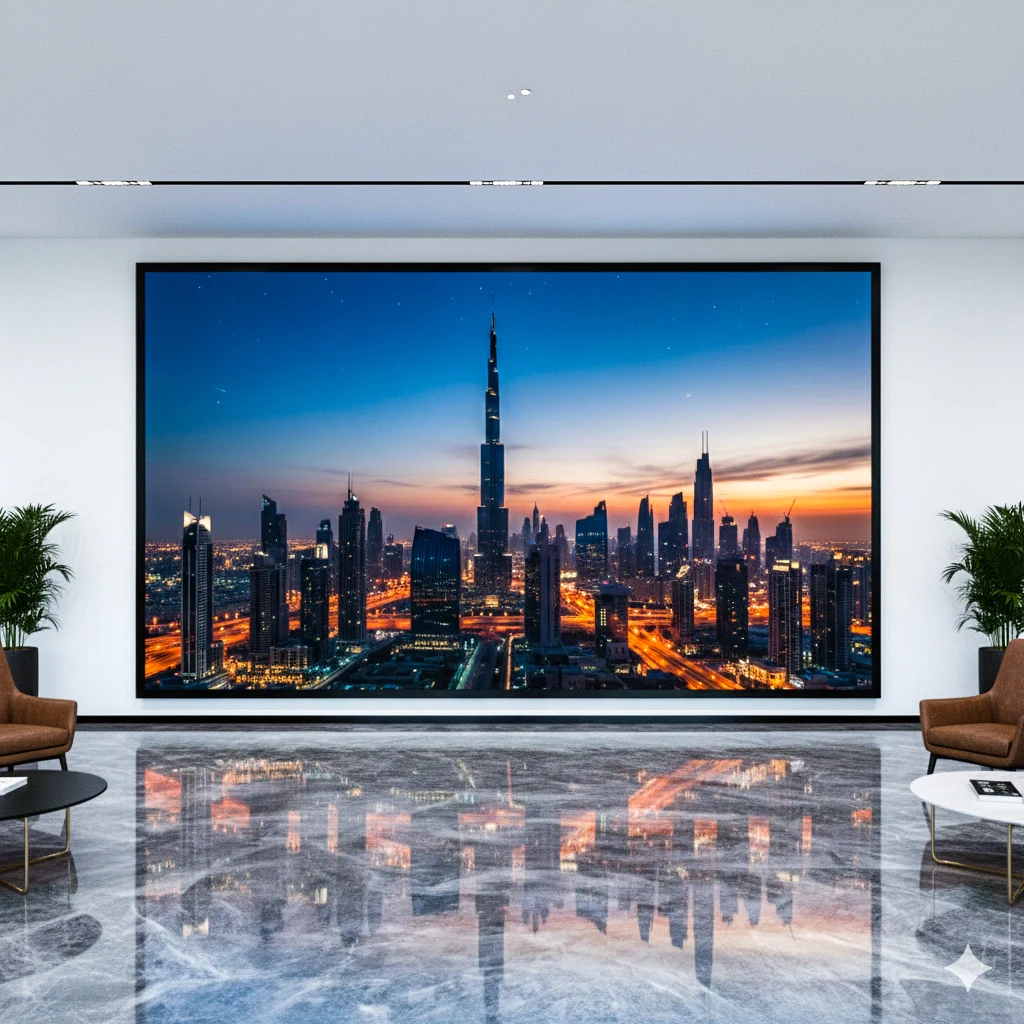
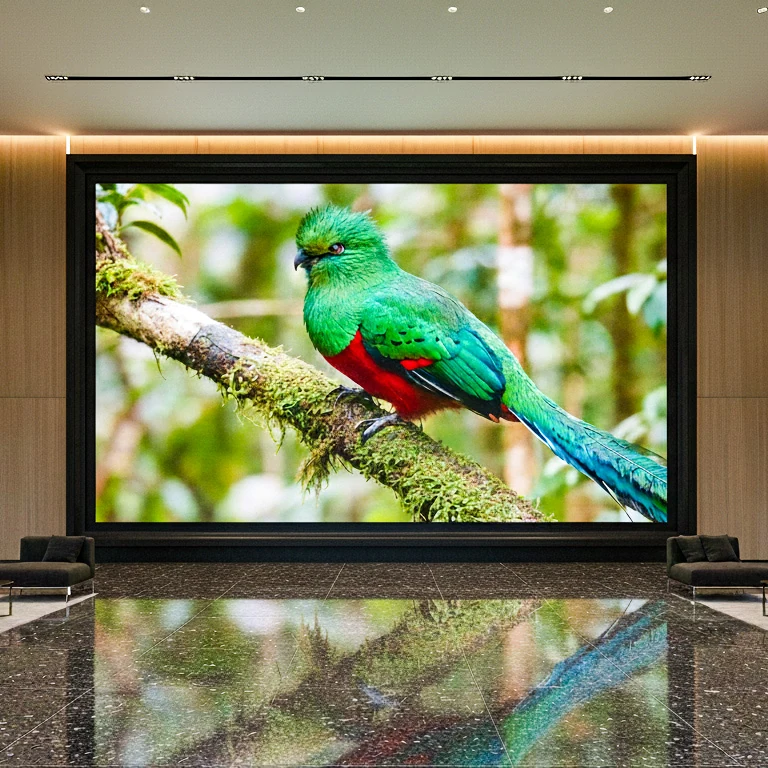
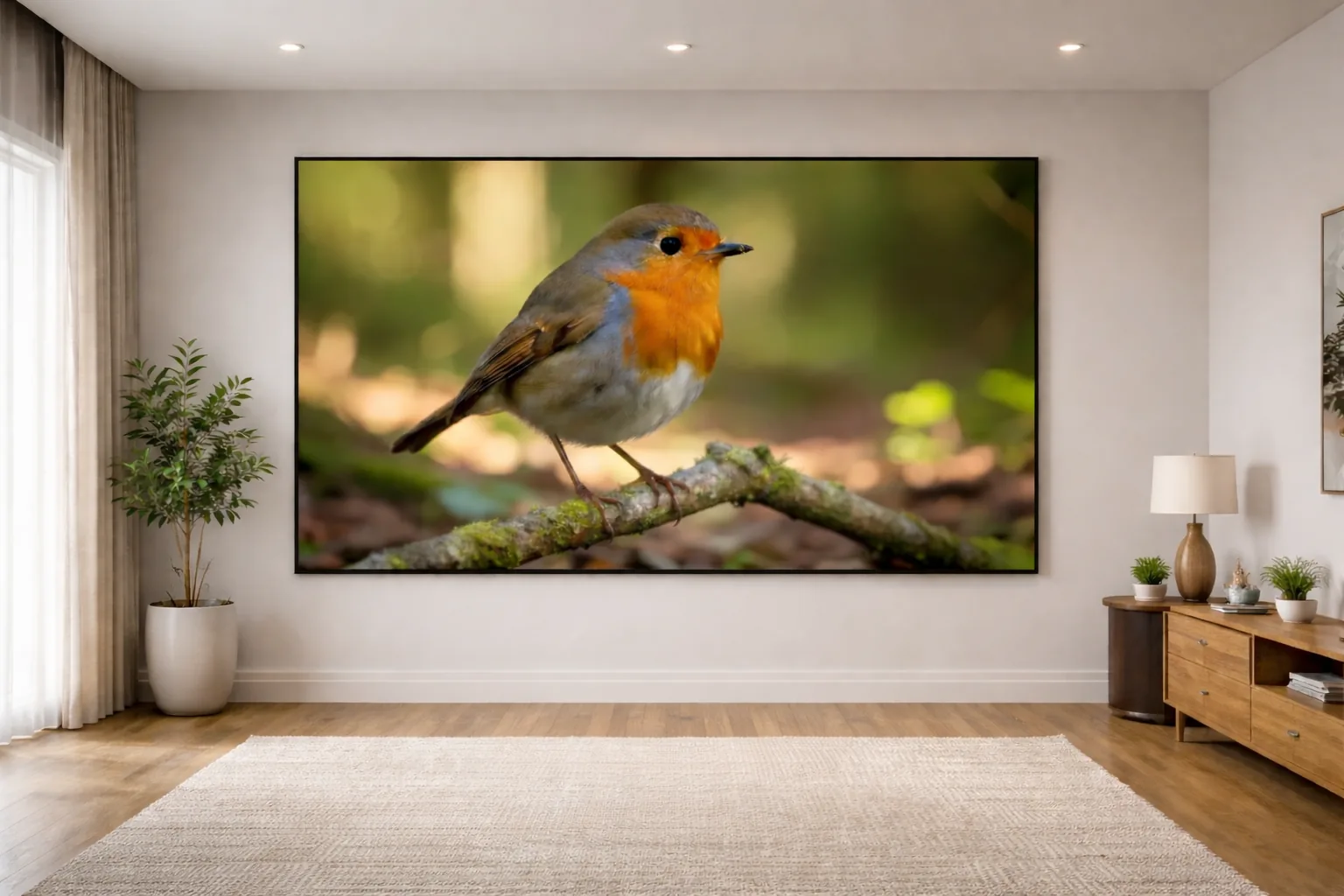
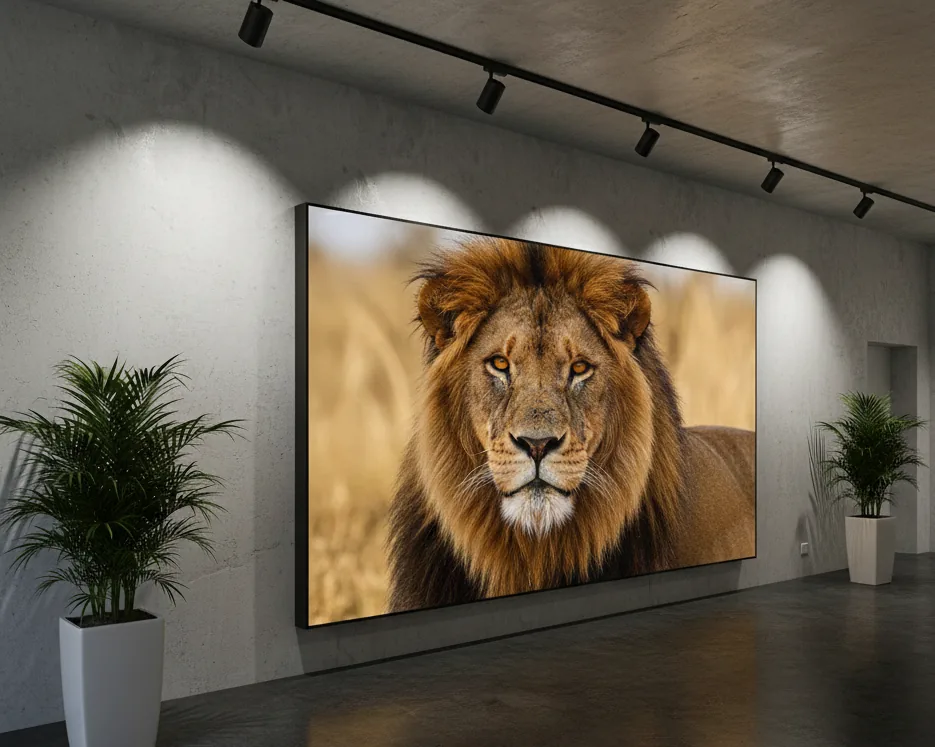
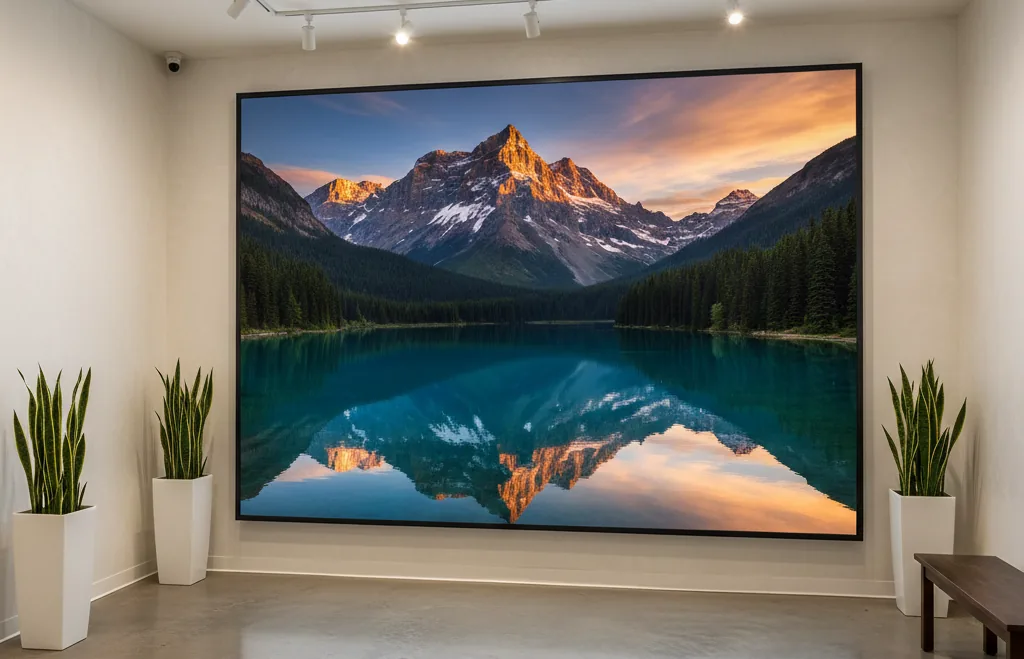
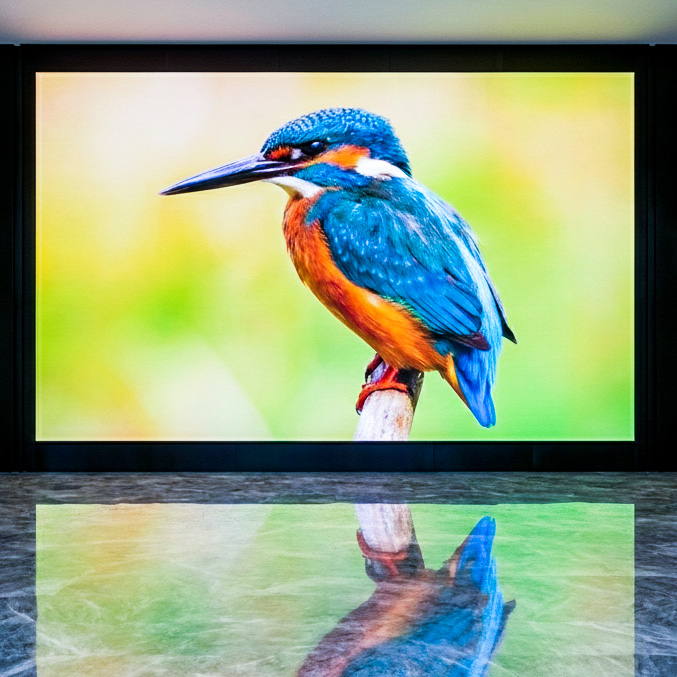
Digital LED display solutions help brands and organizations deliver dynamic visual communication with real-time content updates, scheduled campaigns, and centralized screen management. This page explains howmodern digital signage works across retail showrooms, corporate lobbies, educational campuses, transport terminals, hospitality spaces, and event venues where message timing and visibility directly affect audience response. A well-planned digital LED billboard helps businesses run location-based promotions with higher roadside visibility and stronger brand recall in competitive areas. The right digital LED screen configuration improves readability, content clarity, and audience engagement across both indoor communication and public-facing messaging. You can compare practical factors such as pixel pitch, brightness level, content layout strategy, playback controller compatibility, and installation environment to choose a smart LED screen setup that supports promotions, announcements, branding, and day-to-day information display with better long-term reliability.

Indoor LED Display Models

Explore indoor LED display model cards with standard pitch labeling, use-case tags, and detailed feature highlights.
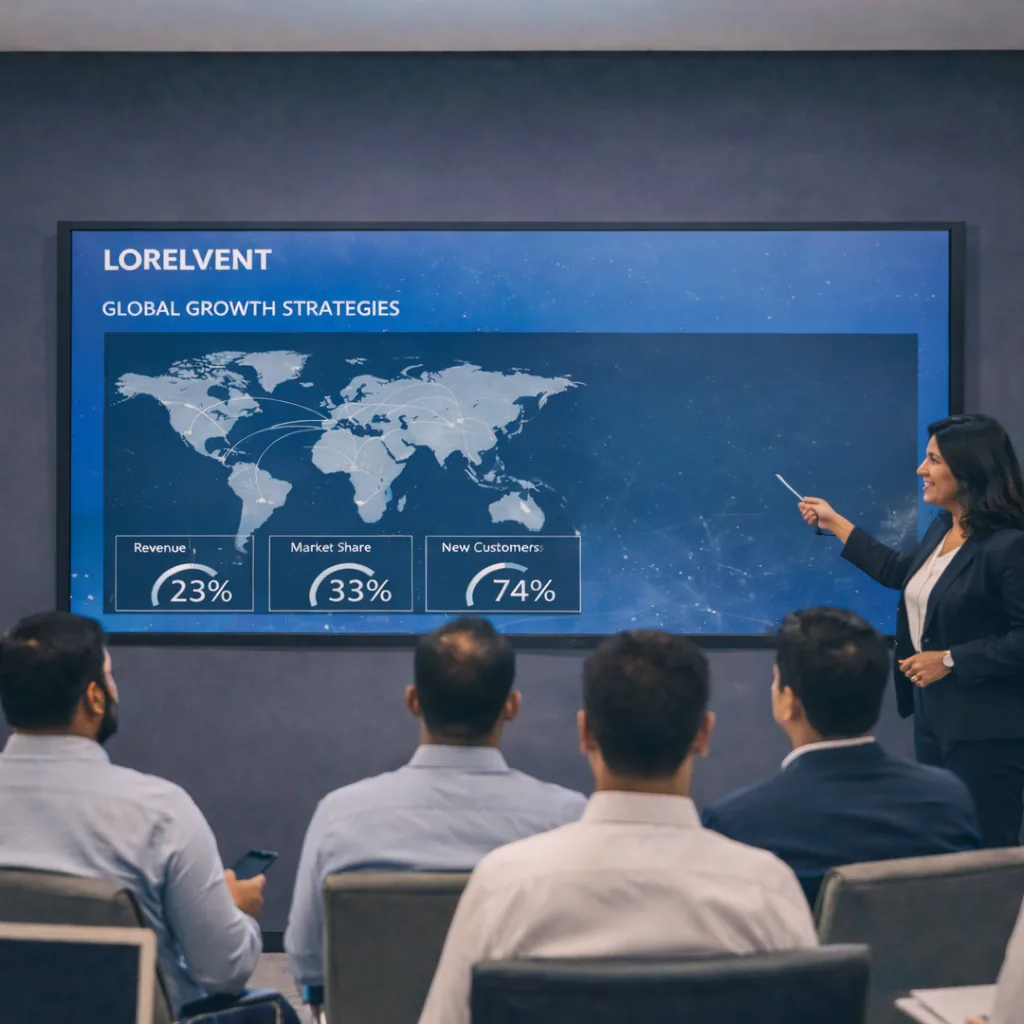
P1.25 Indoor LED Display Module
Control Room
P1.25 Indoor LED Display Module

Pixel pitch: 1.25 mm

  • - Ultra-fine pitch
  • - Close viewing clarity
  • - High refresh option
  • - Premium indoor video wall
Best for:
Control roomStudioBoardroom
Request quotation
View details →
P1.53 Indoor LED Display Module
Studio
P1.53 Indoor LED Display Module

Pixel pitch: 1.53 mm

  • - Fine pitch clarity
  • - Boardroom/studio friendly
  • - High refresh support
  • - Clean text/UI rendering
Best for:
Control roomStudioTV station
Request quotation
View details →
P1.667 Indoor LED Display Module
Showroom
P1.667 Indoor LED Display Module

Pixel pitch: 1.667 mm

  • - Premium clarity
  • - Strong grayscale
  • - Camera-friendly refresh option
  • - Balanced fine pitch
Best for:
BoardroomShowroomControl room
Request quotation
View details →
P1.86 Indoor LED Display Module
Conference
P1.86 Indoor LED Display Module

Pixel pitch: 1.86 mm

  • - HD visuals
  • - Wide viewing angle
  • - High refresh option
  • - Conference room friendly
Best for:
Conference roomShowroomControl room
Request quotation
View details →
P2 Indoor LED Display Module
Showroom
P2 Indoor LED Display Module

Pixel pitch: 2.0 mm

  • - Sharp visuals
  • - Balanced near viewing
  • - Strong contrast (variant)
  • - Stable indoor performance
Best for:
BoardroomShowroomRetail display
Request quotation
View details →
P2.5 Indoor LED Display Module
Showroom
P2.5 Indoor LED Display Module

Pixel pitch: 2.5 mm

  • - Most popular pitch
  • - Balanced clarity
  • - Stable brightness
  • - Easy maintenance
Best for:
Conference roomShowroomRetail
Request quotation
View details →
P3 Indoor LED Display Module
Retail
P3 Indoor LED Display Module

Pixel pitch: 3.0 mm

  • - Common P3 module
  • - Good for distance viewing
  • - Cost-effective
  • - Stable indoor signage
Best for:
Masjid displayTraining hallSeminar room
Request quotation
View details →
P3.076 Indoor LED Display Module
Conference
P3.076 Indoor LED Display Module

Pixel pitch: 3.076 mm

  • - Best-selling pitch
  • - Stable for 24/7
  • - Good value
  • - Clear text & video
Best for:
Masjid LED screenClassroomSeminar hall
Request quotation
View details →
P1.25 Indoor LED Screen Module
Retail
P1.25 Indoor LED Screen Module

Pixel pitch: 1.77 mm

  • - Budget friendly
  • - Easy maintenance
  • - Good for distance viewing
  • - Stable indoor signage
Best for:
Masjid text displayRetail displayClassroom screen
Request quotation
View details →
P.86 Indoor LED Screen Module
Conference
P.86 Indoor LED Screen Module

Pixel pitch: 1.35 mm

  • - Large hall friendly
  • - Cost-effective
  • - Good distance visibility
  • - Long-run capable
Best for:
Indoor hallAuditoriumMasjid display
Request quotation
View details →

What Is Digital LED Display?

Dynamic visual communication system

Digital LED display is a programmable screen platform that shows video, text, graphics, and real-time updates for business and public communication.

Content can be controlled by schedule

Messages can be changed by time slot, campaign priority, and audience context without replacing physical print materials.

Suitable for continuous branding and information flow

It supports promotions, announcements, dashboard content, and wayfinding communication in both commercial and institutional spaces.

What We Do for Digital LED Display Projects

  • Requirement analysis based on your audience, message goal, and display environment.
  • Screen planning with suitable pixel pitch, brightness strategy, and content layout structure.
  • Installation, calibration, and playback controller setup for smooth operation from day one.
  • Training, content workflow guidance, and after-sales support planning for long-term reliability.

Advantages of Digital LED Display

  • - Instant content update from a connected control system
  • - Consistent brand communication across multiple sites
  • - Flexible scheduling by daypart, campaign, or event
  • - Strong visibility with modern motion-capable presentation
  • - Faster campaign turnaround without recurring print replacement cost
  • - Centralized control for branch-wise synchronized messaging
  • - Better audience engagement through timely, context-aware content
  • - Scalable setup for retail, corporate, education, and event environments

How Digital LED Display Works

Content input
Media assets are uploaded from local source or remote dashboard.
Processing
Controller and receiving chain convert media to panel-ready output.
Display playback
Screen renders video, text, and graphics based on schedule rules.
Performance review
Teams update messaging based on campaign timing and impact.

Why Use Digital LED Display Instead of Static Signage

When should you choose digital LED display?

When your content changes frequently and you need better engagement than static boards.

When is conventional signage enough?

For low-frequency messaging where frequent update is not required.

When does digital LED become critical?

For live promotions, public updates, event messaging, and multi-branch brand communication.

Industry Context: Where Digital LED Display Delivers Best

Retail and showroom communication

Promotional loops, new arrival highlights, and targeted brand storytelling at point of attention.

Corporate and institutional messaging

Announcements, dashboards, and visitor communication in office, campus, and public service spaces.

Transport and public information

Time-sensitive alerts, directional messaging, and schedule-oriented visual communication.

Event and campaign activation

Real-time stage content, sponsor visibility, and live information updates during programs.

Content Strategy Framework for Digital LED Display

  • - Define messaging priority by audience context and time slot.
  • - Set content duration rules for text, visuals, and call-to-action clarity.
  • - Use scheduling windows for campaigns, offers, and event-based updates.
  • - Maintain a review cycle for outdated media and performance optimization.

Implementation Readiness Checklist for Digital LED Display

  • - Confirm display objective and success metric before procurement.
  • - Align pixel pitch and screen size with actual audience distance.
  • - Validate controller capability for media format and update workflow.
  • - Plan power safety and network reliability for continuous operation.
  • - Document ownership of content upload, approval, and monitoring.

Content Format and Screen Layout Planning Guide

A digital display performs better when content structure matches audience behavior and viewing context.

Content FormatBest Use CaseLayout Note
Promotional video loopRetail campaign and showroom brandingUse short-duration scenes and clear call-to-action frames.
Announcement and notice feedCorporate lobby, campus, public service messagingPrioritize high-contrast text and readable hierarchy.
Menu or product showcase gridFood court, service center, and product galleriesUse structured blocks for rapid eye-scan decisions.
Dashboard and queue informationOperations center, clinic, support desk, ticket countersKeep live data zones stable and update timing predictable.

Brightness and Viewing Distance Planning for Digital LED

Indoor close-view communication

Distance: 6-15 ft typical audience distance

Fine pitch with balanced brightness for comfort and clarity.

Lobby and medium-distance display

Distance: 15-35 ft mixed movement range

Moderate pitch with content-safe contrast and readable typography.

Public-facing glass-side visibility

Distance: 35 ft+ with ambient light impact

Higher brightness planning with anti-glare content layout rules.

Digital LED Price Drivers You Should Validate

Pixel pitch and screen resolution

Finer pitch improves detail but increases base hardware budget.

Controller and content workflow

Advanced scheduling and multi-zone playback require higher control stack.

Installation and site preparation

Mounting complexity, cabling route, and safety scope affect final cost.

Runtime and reliability planning

Long-hour operation needs stronger power and thermal strategy.

Maintenance and AMC Planning for Long-term Uptime

  • - Weekly visual health check and content integrity review.
  • - Monthly cable, connector, and controller status verification.
  • - Quarterly color consistency and panel performance calibration.
  • - Planned spare readiness for faster recovery during critical campaigns.

Support Scope to Confirm in AMC

  • - Response time commitment for critical display interruptions.
  • - Coverage for controller, PSU, and receiving card replacement.
  • - Preventive visit frequency and maintenance report handover format.

Implementation Timeline from Plan to Live Operation

  1. 1. Requirement mapping and audience communication goal definition
  2. 2. Pitch-size-content strategy alignment and hardware shortlist
  3. 3. Installation planning with power/network readiness validation
  4. 4. Commissioning, calibration, and operator handover training
  5. 5. Post-launch monitoring and periodic optimization cycle

Common Mistakes to Avoid in Digital LED Projects

  • - Using one content format for all audience contexts without layout adaptation.
  • - Selecting brightness by assumption instead of real ambient condition.
  • - Ignoring playback governance for multi-team content approval flow.
  • - Deploying without preventive maintenance ownership and schedule clarity.

Mini Case Snippets: Practical Digital LED Outcomes

Retail campaign response board

A scheduled digital promotion wall improved offer visibility and reduced manual print replacement dependency.

Corporate lobby information screen

Centralized content publishing enabled faster announcement updates across visitor-facing zones.

Event communication display stack

Live agenda, sponsor rotation, and stage messaging were synchronized through a single control workflow.

Digital LED FAQ for Buyers and Operators

Quick answers to common questions about digital LED content updates, remote management, and performance planning.

Update frequency depends on campaign pace, but dynamic screens perform best when content remains current and time-relevant.

For multi-location operations and frequent updates, remote control significantly improves response speed and consistency.

Yes, when messaging is scheduled strategically and performance is tracked against business objectives.

Overloaded visual design, unclear call-to-action, and irregular content refresh are common causes of low engagement.